Category Archives: selling

Coming soon to a bus near you!

Not in a while has an article made me smile the way this one did earlier this week in the New York Times. Booksellers are getting creative in finding new ways to reach readers, and it’s working! Not only is Ann Patchett’s Nashville indie bookstore doing well, it’s expanding its storefront in addition to taking books on the road for sale on a portable bus! It seems like such a simple thing, and yet it’s innovative as well. Go to where the people are rather than waiting for the people to come into the bookstore, not such an easy sell anywhere with so much available online and for delivery in 5 minutes or less.

As if I didn’t already love every single thing about Ann Patchett, just one more thing to swoon over. The store’s name, Parnassus, actually comes from Christopher Morley’s 1917 novel “Parnassus on Wheels,” about a middle-aged woman who travels around selling books out of a horse-drawn van. So it’s fitting that they are now taking the “bookstore on wheels” concept literally.

I was thinking as I was reading this charming article about bringing books to the masses that it’s really not that different than what Scholastic has done all these years for children’s books. They schlep busloads of books and set them up in schools across the country where parents, teachers and kids can shop in the comfort of their own gym, and a portion of sales gets donated back to the school. I personally buy a majority of holiday gifts each fall at the Scholastic Book Fair, and I’m so thrilled that next year I’ll have one of my books for sale there – Cecilia Galante’s THE WORLD FROM UP HERE. And this year, they’re doing a bus tour called Summer Reading Road Trip with events all over the country so they’re getting on the “buswagon” too. Who doesn’t love a good road trip?

Scholastic Summer Reading Road Trip

Scholastic’s is a brilliant and a successful sales model that I think is unique, although are there other “bring the books to the buyer” methods I’m not aware of? What are other ways you can think of to get books into readers’ hands? Books on a bus is so fun, I’m seriously thinking about renting a bus to sell books this summer! Ok, I joke, my lifestyle so does not allow for such a thing, but I love the idea of it so much. One can dream.


5

A case for military books

I have always had a healthy appetite for military books because they sell.  Books—both fiction and non-fiction—about the Civil War, and the two world wars sell particularly well.

This weekend, I had the opportunity to browse in a bookstore in Quantico, Virginia—where the FBI is based and where marine officers receive their first qualification and training.  I found the range of titles they carry very interesting.

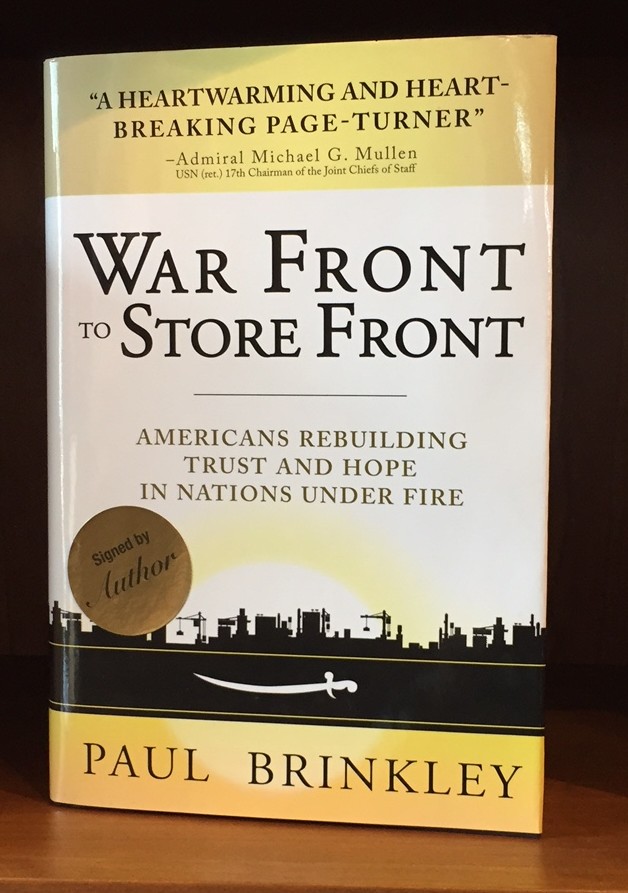
I was at Quantico because my son was graduating from Officer Candidate School in the Marines and, in fact, he and his classmates had read many of the books (though obviously not all) that I found below:

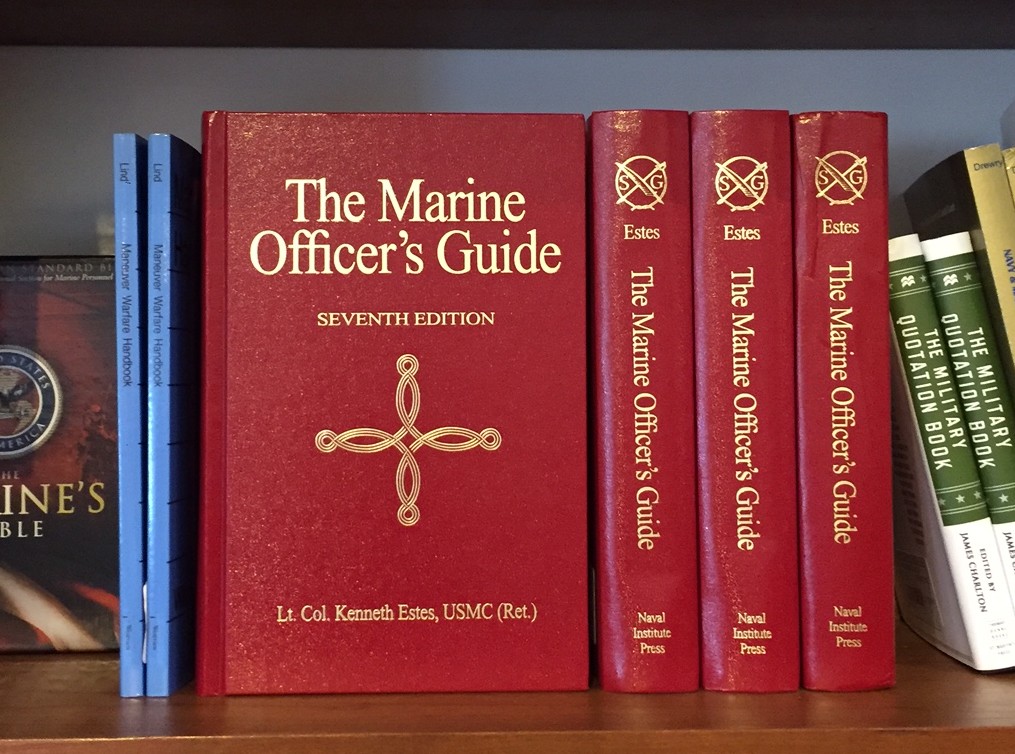
There were books like this one about policy: IMG_2366


Reference books: IMG_2367


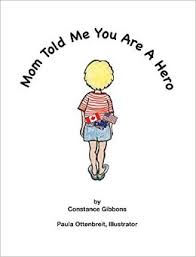
Children’s books: download


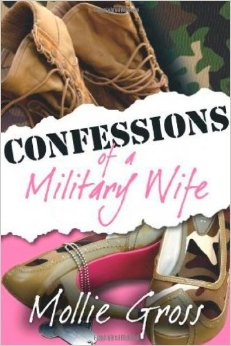
Related titles for women: 51ZLJlvzBHL._SY344_BO1,204,203,200_

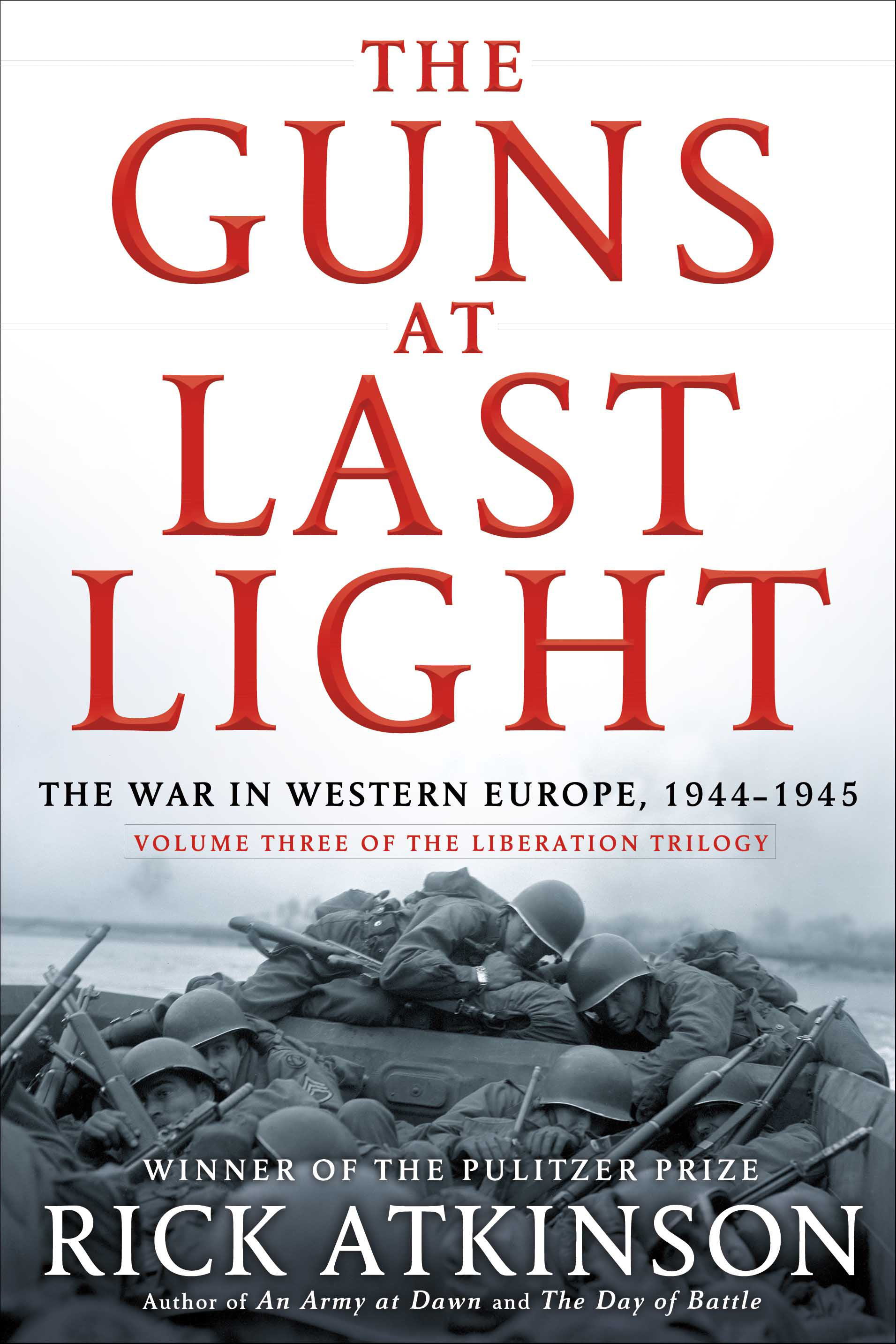
Books by bestselling authors: TheGunsatLastLight


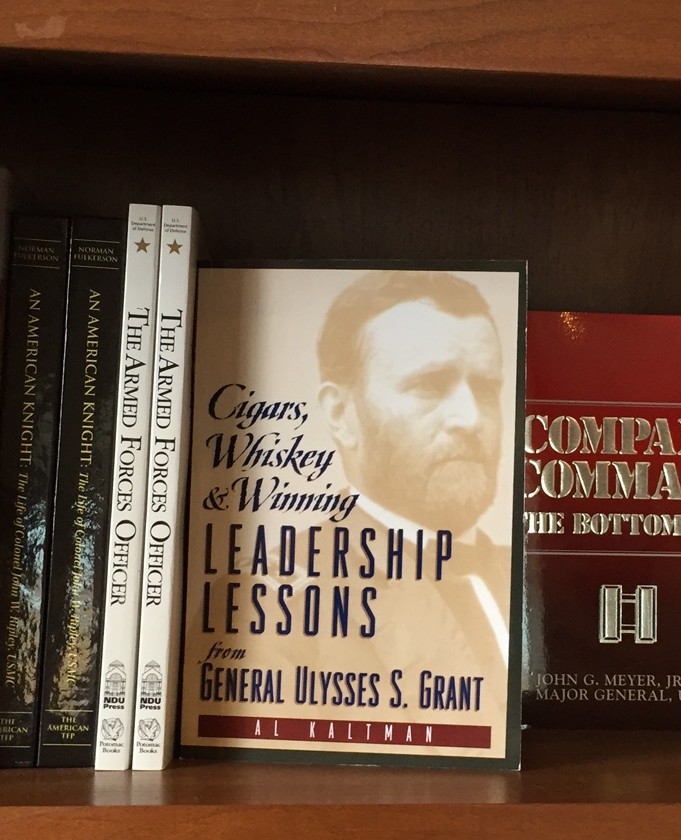
Books about leadership: IMG_2371


Books to improve our intellect and make us think:  FotorCreated


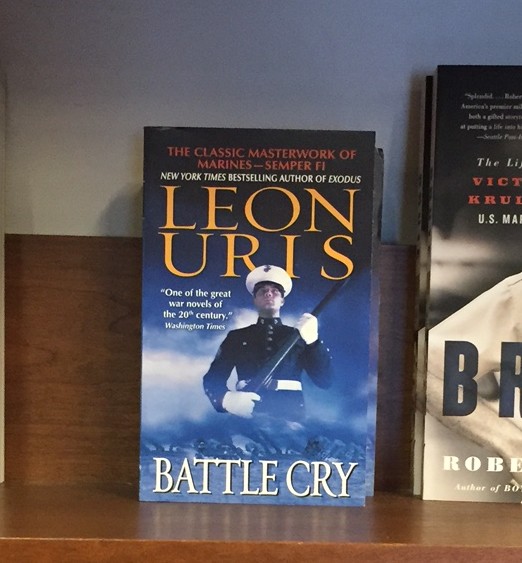
And bestselling fiction: IMG_2375

(Interestingly Battle Cry is a book that my father both edited and published.)

All of this underlines the fact that books about military subjects hold a real fascination for the reading public.  Now that my son is an officer, it’s a category I will follow more closely.  What are your favorite military titles?


Books I wish I’d sold

New Year equals New Books. I generally start the new year feeling a bit overwhelmed at all there is to catch up on, but also excited and motivated with renewed enthusiasm for fresh starts and what’s to come. So many books, so little time to sell them all.

In addition to bestseller lists and book reviews, I like to read Publisher’s Marketplace and look over the recent deals. I am often amazed at how good so many of the books sound, so instead of making a general “wish list” of what kinds of books I’d like to see in my in-box, I thought it might be more useful to see a few examples of books that were recently published or recently sold that resonated with me for one reason or another.

This book that was written by a Pulitzer Prize-winning journalist explores the story of a set of adopted identical twins (anything having to do with identical twins as the parent of a set is of interest to me), one of whom transitions their gender identity. It sounds fascinating and wonderfully researched and written over the course of four years, and it looks into a very important subject that is still underexplored.

Becoming Nicole by Amy Ellis Nutt

Media personality and leading voice in brain health Max Lugavere’s COGNITION NUTRITION, a roadmap to optimal brain health and performance using what the latest science has discovered about food and diet recently sold and taps into two areas of interest – science and the brain. It’s an area that’s well covered (including my own upcoming title THE DISTRACTED MIND by neuroscientist Adam Gazzaley and psychologist Larry Rosen), but a new angle is always of interest.

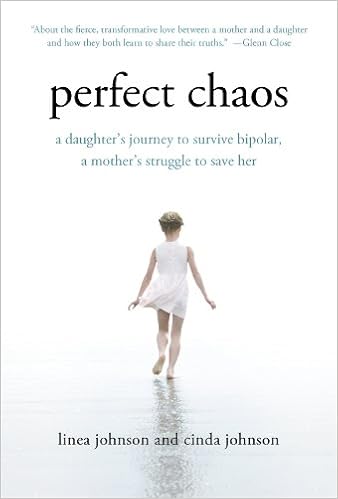
Author of The ADHD EXPLOSION and THE TRIPLE BIND, Professor of Psychology at UC Berkeley Stephen Hinshaw’s STIGMA: A Father and Son’s Journey Through the Mark of Mental Illness, which explores the burden of living in a family “loaded” with mental illness, with all the potential for insight and creativity as well as despair and isolation that entails, and in which he reveals his father’s (the distinguished philosopher Virgil Hinshaw, Jr.) and his own lifelong struggles with mental illness, the associated shame and stigma, and his evolving understanding of the social and public health dilemmas involved in the exploding mental illness crisis in America today. I’ve also had a strong interest in mental health issues and have books on my list which include PERFECT CHAOS, by Linea and Cinda Johnson, a powerful story about a daughter and her mom dealing with the daughter’s bipolar breakdown.

Finally, I’m having a love affair with children’s books at the moment. Both books I’m selling and books I’m reading with my girls. Sibling writing duo Heidi Lang and Kati Bartkowski’s debut LAILU LOGANBERRY’S MYSTIC COOKING, following the youngest master chef in 300 years in her efforts to open a restaurant where anyone, not only the wealthy, can feast on her fantastic cuisine including everything from kraken calamari to dragon steak; all the while she must help her absentee mentor pay back a vicious loan shark and avoid the notorious Elven mafia before the escalating conflict costs her the restaurant and possibly her life. Sounds unique and mixes my love of food and kids!

I could go on and on, but I’m hoping this gives you an idea of my interests and hoping I’ll see some project submissions from you in the near future. Feel free to reference this post if you contact me so I know you’ve been reading our blog!

Successful query breakdown via an author and her agent

kristi-belcamino-author-writer

I was recently asked by my talented client Kristi Belcamino to join her in a guest post for Writer’s Digest in Chuck Sambuchino’s “Successful Queries” series to share her query letter and my response. I shared why I was drawn to it and ultimately went on to represent and sell the book. I love this kind of thing because it feels so simple and yet I know for prospective authors looking for advice this kind of feedback, which includes a real life example, can be really useful.

Book publishing is obviously an inherently subjective business so what appeals to me is not necessarily what appeals to others. However, when I look at a successful query letter, I find there are certain things that are generally done well.

In Kristi’s case, she introduces herself and her background in a way that is intriguing. An actual female crime reporter? Bring it on!
Then we see a first line that sucks you right in: Gabriella Giovanni has never met a man more exciting than a murder. I’m beyond interested to know more about this character.

She goes on to CLEARLY and CONCISELY pitch the book in a way that makes you want to read more. My best advice for writers looking to pitch their books in a query letter is to try to write the jacket copy of the book. You can go into greater detail about the story and characters in a synopsis or follow-up email, but for me (and again, this is subjective), I want to see the elevator pitch because if you can describe your work in a clear, concise and compelling way, then I can too when I speak with editors on your behalf.

Finally, she offers additional information about her writing background which shows me that not only has she received good feedback from industry professionals for her work, but that she also has worked hard on her book and takes her writing seriously.

Take a look at our post and let us know what you think and if there’s anything else you see in Kristi’s query or my response that’s worth targeting. Happy querying!

blessed-are-those-who-mourn-book-cover

2

Out-Amazoning Amazon

Let’s face it: Amazon is convenient. I try hard not to shop at Amazon, just as I avoid Wal*Mart and the like. I shop local and like to support independent business owners. DGLM is a small business, too, and supporting other small businesses is important to me. But I’d be lying if I said I didn’t go to Amazon.com every day. I use it for book research and to track clients’ sales; I’ll also use it to comparison shop prices on other goods. It’s impossible to avoid, even if I rarely purchase anything there.

One of Amazon’s most annoying tactics has been to try to capitalize on other retailers’ brick and mortar stores—releasing apps that allow consumers to go shop for something in the real world, scan the item with their phones, then buy the item for less money through Amazon. Amazon avoids pesky rent in expensive commercial areas, but gets the advantage of the showroom. This, understandably, drives business owners crazy. But now they have a way, of sorts, to retaliate: a Chrome plug-in that allows Amazon UK users to search on Amazon, but gives you the price of the book at your local shop—reverse showrooming, or some such! It’s completely genius! On the one hand, it almost works as a piece of criticism, making the shopper think twice before clicking the buy button. And on the other, it’s actually a great shopping tool, seeing as books are sometime cheaper at your local store than they are at Amazon. Here’s hoping someone gets this to work in the US, too.

7

The non-fiction book proposal

Most writers who are hoping to sell a non-fiction book know that in order to do so it is necessary to create a book proposal. This document can be critical not only to the sale of the book but to the size of the publisher’s offer.  I often tell prospective clients that doing the proposal is an unnatural act—it can actually be more difficult to create a good one than to write the book itself.  Our website describes exactly what is required to be in the proposal clearly and concisely (see “Nonfiction Proposal Guidelines”).

These days, I am consistently trying to push writers to create proposals that are well focused and that clearly define the different readerships, both demographically and statistically.  Inevitably, as I learned last week, a writer will try to “game” the system—describing his or her book as neither fish nor fowl and thus confusing the reader (the editor).  The result is a rejection letter instead of an offer.  So I am stressing here that it is extremely important for the writer proposing a work of non-fiction to clearly define exactly what he or she wants to do in his or her book in a keynote sentence or two. That keynote is so very important!  If a sale is made, the proposal goes from the writer, to the editor who buys the book, to the publisher, to the person who creates both the catalog and cover copy and, finally, to the sales person who is selling the book in to the accounts.  It has to be right.

And, sometimes, for it to be “right” takes time.  The other thing that was brought home to me again this last week is that rushing a book proposal never pays.  It results in shoddy work which can be misinterpreted by the editor considering the material.  I use the saying “better late than lousy” so often these days—and it is very important to remember.  Doing the proposal the right way can make all the difference in the world.

Of course, as always, I would be interested in hearing your thoughts and experiences on the subject of proposal writing.

Honeymoon’s over. Can this marriage be saved?

So, the talk lately (around here at least) is that e-book sales are slowing down—significantly enough that doomsday prophecies about the health of the format are being bandied about by the ever-unflappable* publishing community. Through several Amazon initiatives that are too complicated and, well, tedious to go into here, that monolithic company has undermined the Indie publishing world it mostly created as well as undercut sales of  traditionally published books.  Then, there are the studies that say that print reading gets absorbed more efficiently into your bloodstream.  And, finally, there’s the “Hipster Effect” which makes anything retro cool again—so the youngsters are all reading paperbacks on the subway instead of Nooks–combined with the “Geezer Effect” which makes all this newfangled technology suspect and terrifying.Kindle and Book

All of these things really add up to just this:  there’s been a correction in the digital book market.  The quick growth of the last few years has slowed down as consumers have gotten used to the idea of a new product, road tested it, and decided that, while nifty, it’s not the be-all, end-all.  Does that mean e-books are over.  Uh…no.  This format has legs, in my opinion.  But, it does mean that it is going to have to get creative about competing against its print counterpart and all the other media we’re collectively obsessed with.   And, that means that publishers, e-publishers, and e-tailers as well as authors are going to need to come up with ideas on how to make this a category that works on its own terms but also complements the underlying publishing rights—i.e., the copyrighted content.

For my part, I’ll just keep doing what I usually do—read both my Kindle and the thousands of print books cluttering my house and office—and wait to see how sales actually look once the dust finally settles. 

What do you guys think about the long-term health of the e-book market?  Is the slowdown a good thing or bad, in your opinion?


*sarcasm


0

Some thoughts on article pitching

How and when to pitch to magazines is a question that comes up often, from both my fiction and nonfiction authors so I thought it was worth a blog post to give some thoughts on the subject.

As with many things we do in book publishing, there isn’t always a right or wrong answer and each situation is uniquely individual. That said, having your work published in magazines and/or newspapers and/or reputable websites can be very helpful when it comes to both selling your book to an agent, publisher, or the general consumer. If you notice the authors who are the most successful are widely published across multiple media channels. Getting and keeping your name out there is useful.

Writer’s Digest brought up this topic recently, and it prompted the idea for this post. They were talking about whether or not to pitch word counts, which is a very particular subcategory, but it made me think about the idea more generally and what it means for writers in all different categories.

Short form writing is very different from book writing, but in terms of the number of people you can reach, sometimes it can be an effective bang for your buck. Whether you’re not yet published and looking to get some credits under your belt (and some better Google searches to come up, which can be important for agents and editors reviewing your work), or you’re already published and looking to expand your reach, there are many outlets to pursue, and you might even earn a few bucks in the process.

Key is to do your research and make sure that whatever you are pitching is appropriate for that publication’s audience. And you should explain why in your pitch. I have a client with an upmarket commercial women’s fiction novel forthcoming and we’re working on articles for her to pitch, to women’s magazines and Modern Love in the New York Times, not necessarily the most obvious places to target for what she writes, but certainly reaching a similar audience to what we hope to find for her book.

I did a further search and found an appealing article by a writer who decided in the UK to pitch every magazine listed in a market guide for writers he found – 642 total. I don’t recommend you do this, but there were some learning tools to take away here. I liked that he suggests “shaking oneself out of one’s comfort zone can be an incredibly good practice.”

Indeed, there was more to enjoy here: “One way to stand out is to pitch 642 magazines. Another is to develop your own voice—something that editors will recognize amongst all the other thousands of voices clamoring to be heard. Perhaps a way of developing this voice is to spend your time writing about things you don’t want to write about—until you realize what it is you do want to concentrate on.” This reminds me of the advice I give my kids. You have to try everything until you (hopefully) find something you enjoy.

Let us know where you’ve had success being published in these areas, and how you got there.

0

The business of writing

I know I talk a lot about the creative side of writing. Finding inspiration, developing ideas, perfecting your craft and the like. But I saw this piece in writersdigest.com about the business side of writing and thought it might be worth sharing to give a different and more practical perspective on what you can do to manage your finances as they pertain to your writing as you wait for your first big bestseller.

This particular piece focuses on items that are tax deductible when you are earning income writing, or as the author, Brian A. Klems, points out “at least trying to earn money from it”. I wanted to do a bit more research into the business of writing, and came upon another useful article  from Forbes.com. The author, Suw Charman-Anderson, offers a number of ideas for ways to generate income from writing. As she suggests, some are more likely than others to spend your time on. One idea she doesn’t mention that could be worth considering is writing articles, although I suspect all of her ideas are aimed at writers of fiction. In this market, there are so many outlets to be published, especially if you’re willing to branch out into areas outside of your comfort zone. Think about the numerous blogs and websites, as well as the rise of web-based media that is easy to pitch to like Buzzfeed, Longreads, the Awl, etc. While many are not income-generating, if you do enough of them and make a name for yourself, you might find at some point you’re actually able to get paid for your work.

I do appreciate her final takeway: “You don’t need a big fat advance to achieve financial security, you need to be creative and fully explore all the opportunities to earn money that are open to you.” Sometimes good old fashioned hard work, networking, and a little bit of luck will take you somewhere on your writing path you never anticipated you’d go.

Do you have any ideas for generating income from writing? Or thoughts about managing your money that weren’t covered here? I’m sure there are many authors who would like to know.

8

Eventful

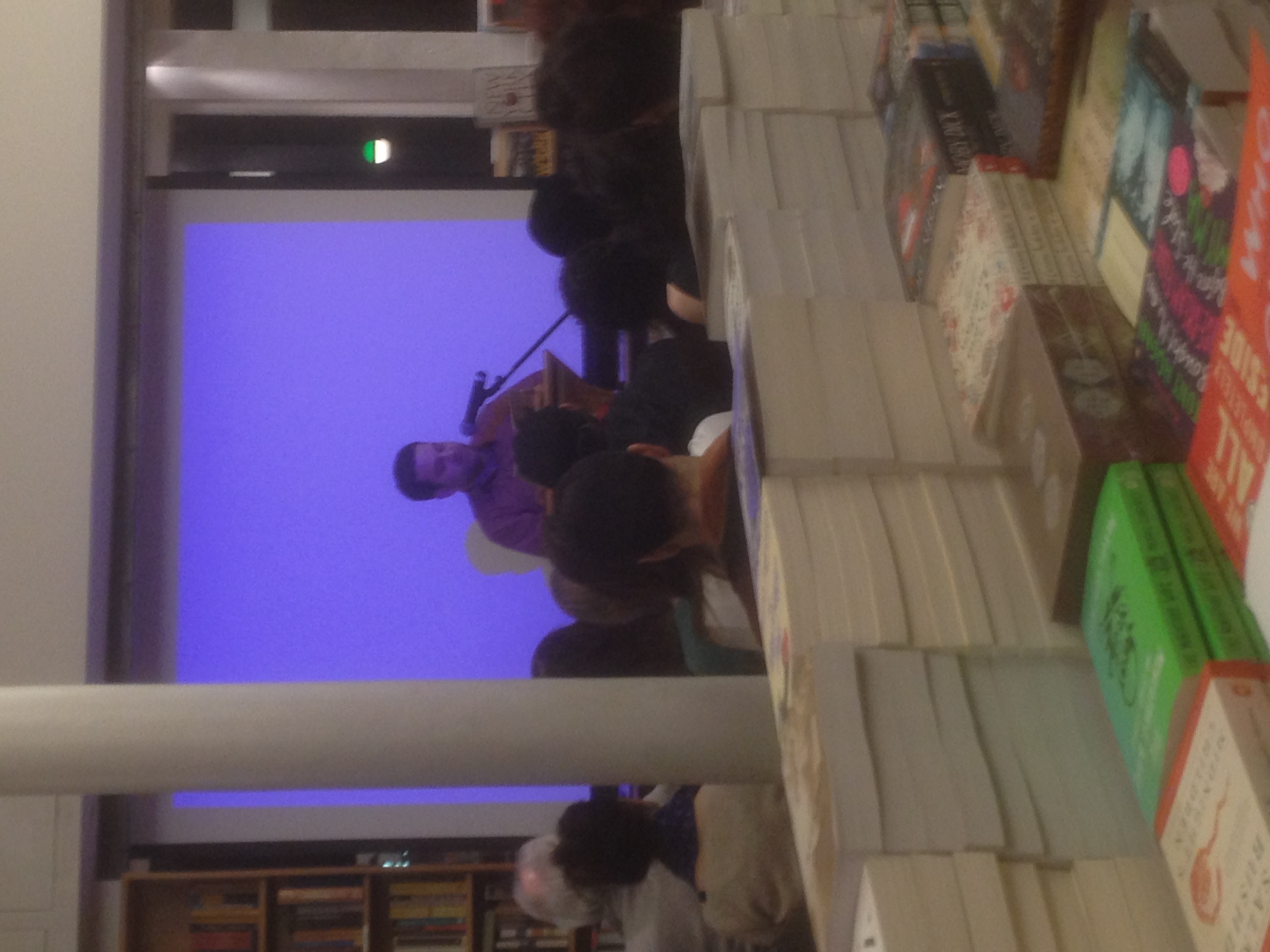
For some reason behind the book table is always my preferred spot at Greenlight readings.

Wayne Gladstone reads at Greenlight Books in Brooklyn


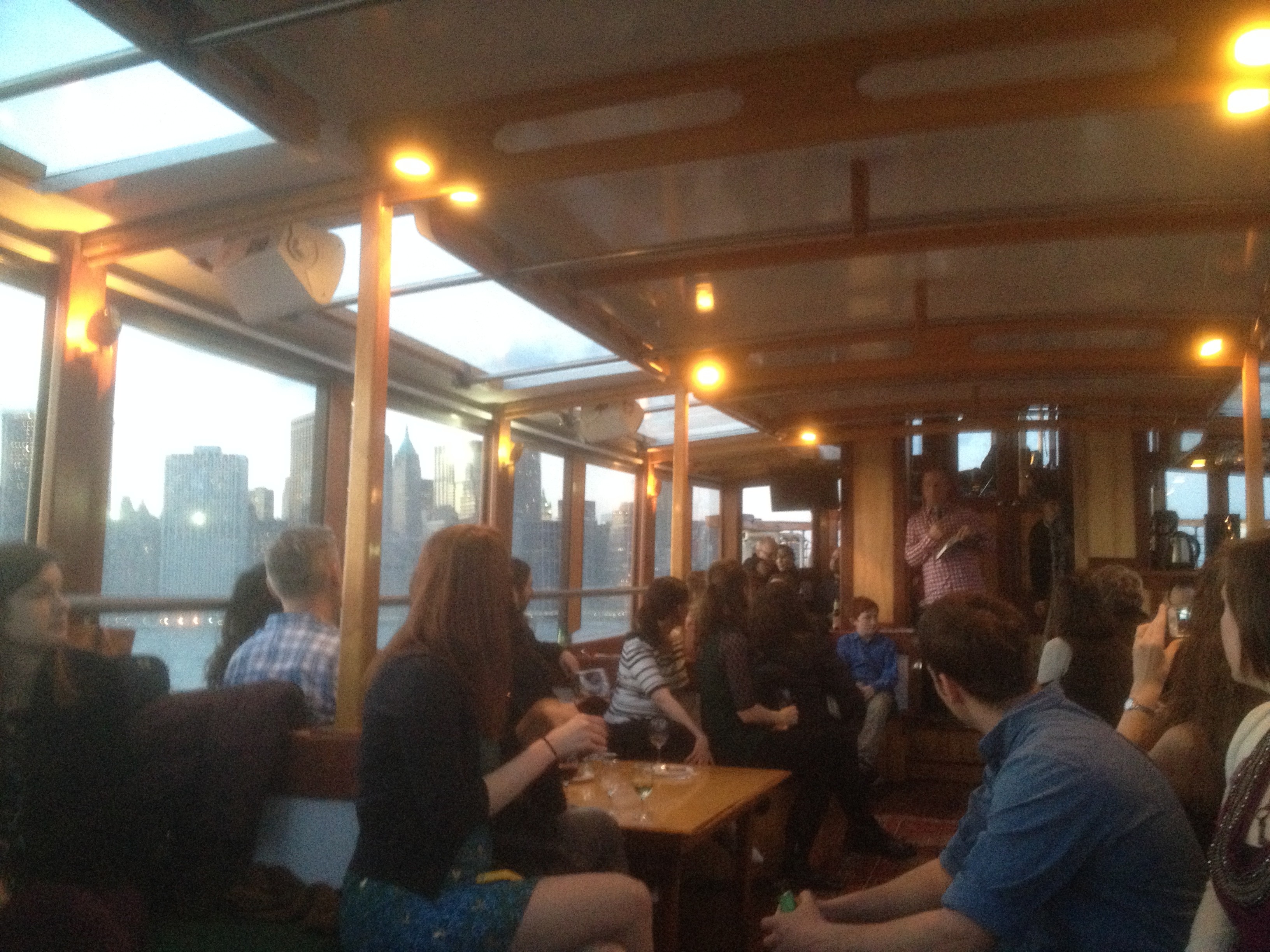
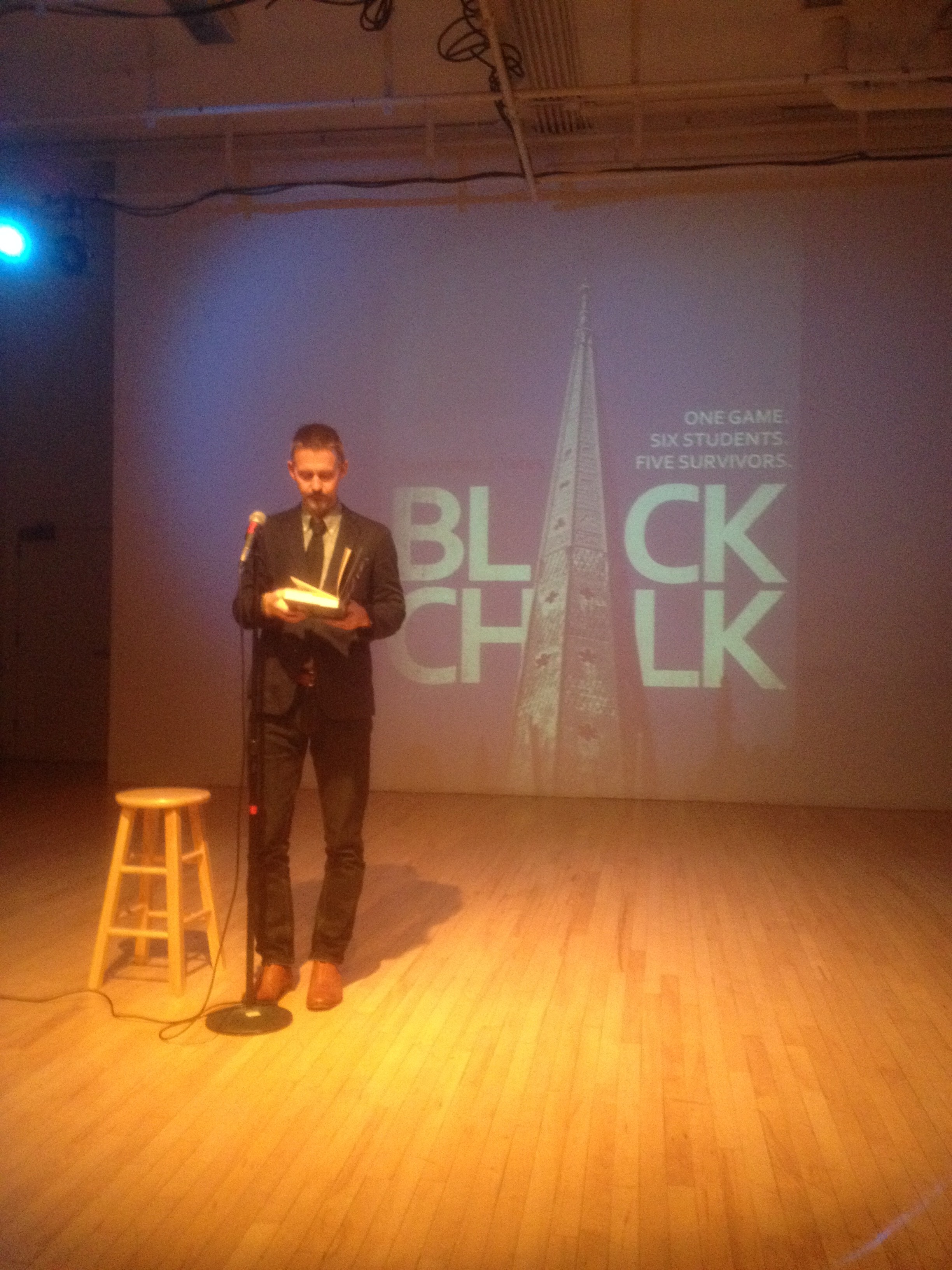
I’ve been thinking a lot lately about author events, having been to four very different ones in the last several weeks: first Wayne Gladstone’s two readings for his hilarious and heartfelt debut novel Notes from the Internet Apocalypse at Corner Bookstore and Greenlight Books, then two book launch parties, one for Aaron Starmer’s new middle grade series The Riverman, which took place on a river cruise around Manhattan; the other for Christopher J. Yates’s debut, a psychological thriller called Black Chalk, at University Settlement not far from where the book is partially set.  Each event had a different spirit and in some ways different purposes, and in each case the setting of the event and the personality of the author really contributed to making it feel like it perfectly suited the book being celebrated and enjoyed.

 
I must admit, I don’t go to many author events purely as a spectator (all of the above are DGLM clients), but it’s nice to have a moment to sit back and celebrate the results of all the hard work that goes into bringing a book to fruition.  Even handier when the author, his/her agent, and his/her editor are all in the same vicinity and can do so together.

I should know which skyline that is (NJ? BK? Manhattan?), but I don't.

Aaron Starmer (in red near the right of the photo) reading from The Riverman

 
I think the logistics of book events are challenging: beyond the well-attended reading series (of which there are a number in NYC), the ones at industry conventions, and the signings for major bestsellers, they’re not terribly likely to sell many books to people who weren’t going to buy them anyway and often are populated by people close enough to the author to already have a copy.  And an event that’s more of a party than a sales opportunity is likely to get pretty costly for the author, without much (or any) chance of return on that. The conventional wisdom is that book events don’t sell books and tours aren’t worth it, and as a former bookstore cashier I know firsthand how few copies of books are sold at most signings. 

That cover photo projection is a very nice touch.

Christopher J. Yates reading from Black Chalk

But I do wonder if there are things more authors can and should do that would make book events more beneficial to them and to readers.  Certainly stores that have multi-writer reading series (like the one Wayne participated in at Greenlight) are helping to introduce people to the fans of others, and this is something the self-published author community has strongly embraced as well with very large multi-author signings.  And I’ve personally found that an author event that happens well after publication—though this is logistically tougher to justify or achieve—is likely to be more appealing to me, because I have little interest in attending author events for books I haven’t read by authors I don’t have a professional relationship with.  For example, I’ve seen Colum McCann twice, once for Let the Great World Spin well after publication, which was magical, and once for Transatlantic right when the book came out that really didn’t do anything for me.

 
Do you ever go to author events? If so, what draws you in?  If not, what’s keeping you away?  What would you like to see more of?  Have you ever been to one that really blew you away?  Have you seen any creative strategies that you’ve taken note of for yourself?