September 15, 2016
  Erin
Erin 
I remember the first time I attended a lecture on writing memoirs. I was expecting this lecture to tell me all the obvious things, like how to write about sad or unbelievable events and make them seem as realistic as the moment they happened. Except that wasn’t at all what I learned. Regardless of what the lecturer was actually teaching us, it all centered around the same idea—books are not real life. Who wants to read about real life? Who wants fiction mirroring exactly what they do on daily basis that they hate so much because it has no significance except to get them from point A to point B? It’s the things that are important, and the little things that snowball into the important things, that we care about.
For instance, if I told you that I woke up this morning and walked my dog, got ready for work, and then I was in horrendous car accident (I wasn’t, I’m fine), you might wonder why I even started with walking the dog. You actually don’t care about the rest of my life. That’s fine, neither do I, except maybe when my dog does something cute that I can Instagram, but otherwise, this is all just run of the mill stuff. It’s exactly what people are trying to escape when they’re reading books. Now, if I told you I went on a walk with my dog and saw a man in a red mustang staring at me, the very car that eventually comes to hit me after the memory of those creepy eyes haunted me the entire time I got ready for work, THEN the dog and the shower and the color of T-shirt I picked out can take on a whole new meaning.
A lot of you probably think this is so self-explanatory, but let’s apply it to larger things, say your male character. He falls in love with someone, gets his heart broken, and doesn’t learn anything from it. This is the same thing as me not learning anything from walking my dog (I rarely look to see if weird men are following me…though that might change now…). Why would we want to read about your male character? Most of us have had those relationships, get in, get out, some weird stuff happens, but you’re basically the same at the end, except you’re wearing sweat pants more—or less depending on your level of self-worth.
So, I guess what I’m trying to say is that when you’re looking at your story, your plot, your characters, your side characters, you should be asking, is this something that people are going to want to read in order to procrastinate on doing the dishes or cleaning up dog poop? Or am I just writing about a person doing something with no real significance?
I guess I can take out that scene where my character dreams about muffins in the middle of trying to kill his uncle. No, that was really a scene in one of my unfinished novels… Actually, I think it’d be funny if anyone can give me a more insignificant scene they wrote before realizing. Impress me.
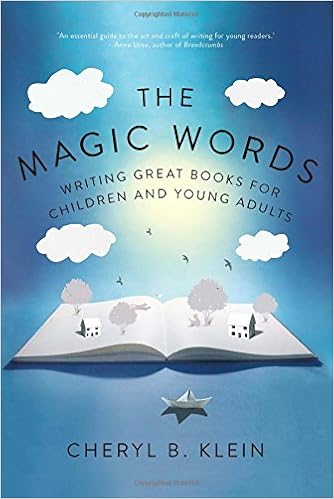
 The first suggestion is A Powerful Opener, which is really about the rest of the tips all coming together – the Attention-Grabbing Characters you’ve dreamed up, the Well-Realized World they inhabit, conveyed through your Authentic Voice, which stems from your Unique Perspective. Often new writers think a powerful opening means packing their most majestic, glorious prose chunk full of with their favorite four-syllable words into the opening lines of the book. And that’s a fair instinct! But overwriting can actually take away from your Authentic Voice. One well-chosen perfectly placed word can actually do more to convey emotion, place, or personality than three or four well-chosen words; one word doing the job on its own carries more of your Voice as a writer than if you gather two or three together to get your point across. Coco Chanel said, “Before you leave the house, look in the mirror and take one piece off,” and the same thing applies to adjectives in your sentences. Take one off!