Category Archives: ideas

4

My impending trip to China and what I am hoping to learn from it

great-wall-of-china-814143_1920Over the last several years, my husband and I have become more adventurous in the places we travel to on vacation. We have been to Greece, Turkey, Israel and Jordan (five years ago), Australia, Kenya, through Peru and Machu Picchu, and on a cruise on the Amazon. This year, we are going to China (Beijing, Xian and Shanghai). Every time I travel, I hope to learn something that I can bring back with me to my regular life. When I returned from Kenya, I came back with a book idea and as a result we have a publishing contract which I am very excited about.terracotta-1028109_1920

In Beijing, we will go to The Forbidden City and Tiananmen Square, and we will of course journey to The Great Wall (and climb a bit of it). I am so excited to visit these historic places that I have only read about in the past. In Xian, we will see the Terracotta Warriors (both those which have been restored and the actual “dig” which is ongoing), the Great Mosque of Xian, and the Wild Goose Pagoda. In Shanghai we will have a full city tour including the Old Quarter, Yu Garden and the modern city. One night we are going to an “extravaganza” including acrobatics, death-defying stunts and the latest in high tech special effects!pexels-photo

Throughout all of this, I am hoping to learn about the people of China and their culture and maybe, just maybe, I might return with another book idea or two.
I wonder what you come back from your vacations with? I would love to hear.

1

The 2016 Democratic National Convention

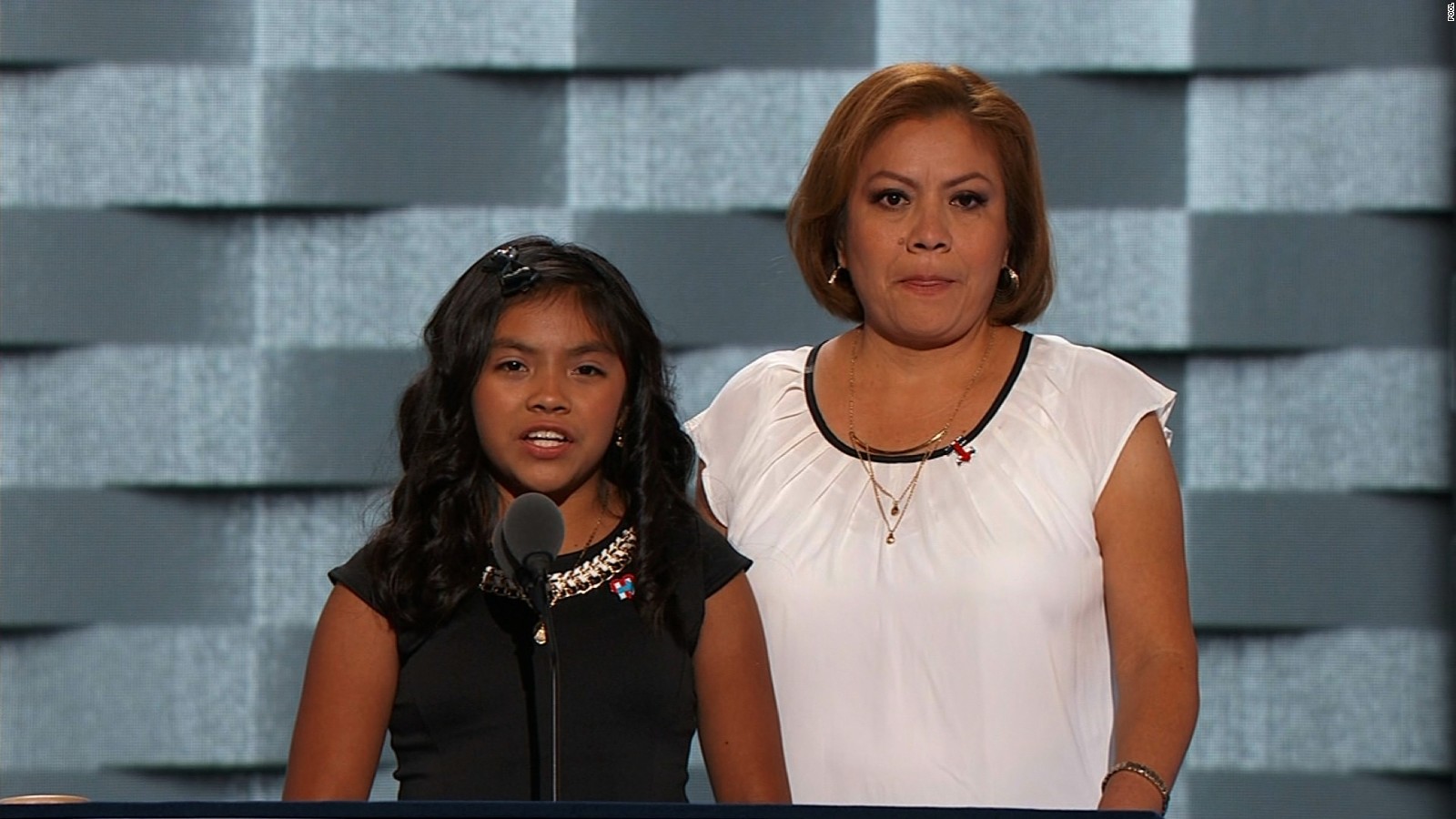
Karla Ortiz and her mother, Francisca Ortiz

Karla Ortiz and her mother, Francisca Ortiz

Last week I found myself riveted to the TV during the Democratic National Convention—for a number of reasons.  One of them, though, was the number of potential book projects.  For example:

Karla Ortiz: Karla is an eleven-year-old American citizen living in Las Vegas, but her parents are undocumented and, as a result, live in fear of deportation.

Lauren Manning, a former partner at Cantor Fitzgerald, is one of the most catastrophically wounded survivors of 9/11.  She battled enormous odds of survival, spending more than six months in the hospital, and fought through the next decade to recover from burns over 82.5% of her body.

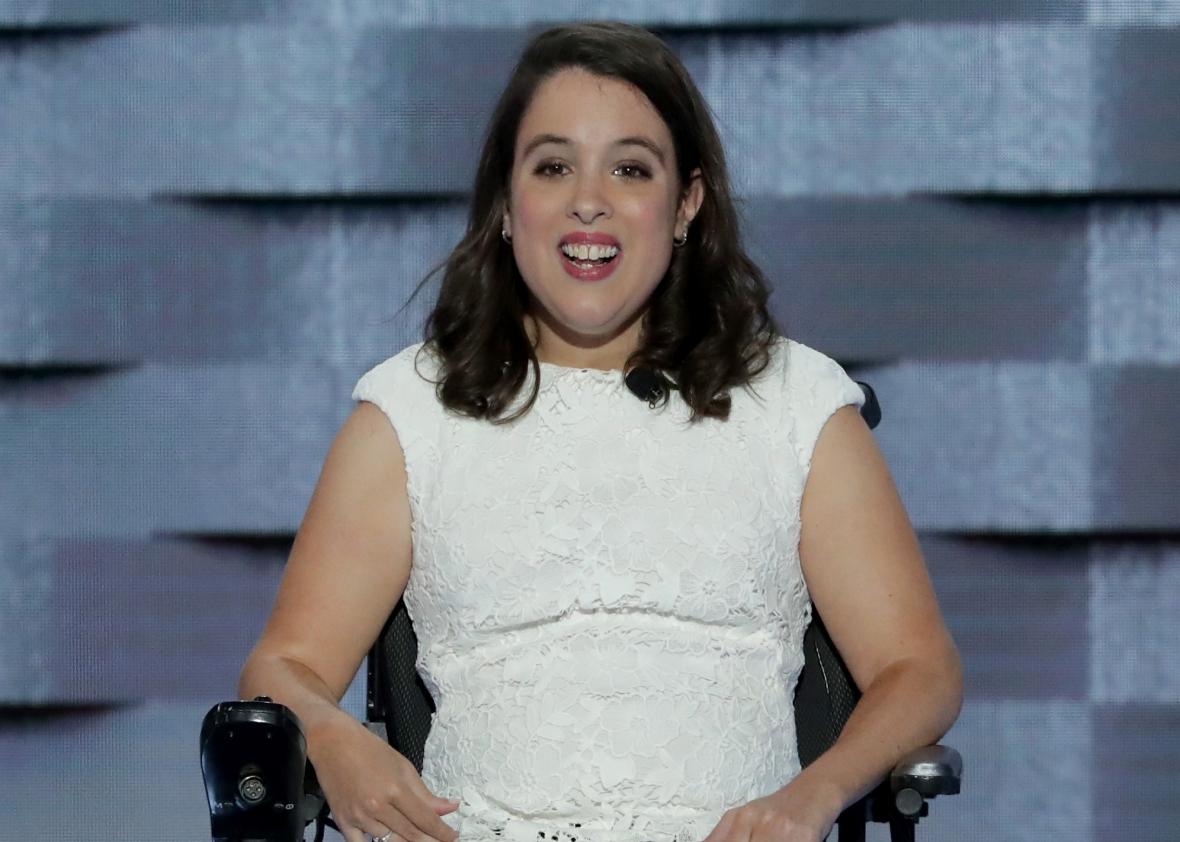
Anastasia Somoza

Anastasia Somoza

Anastasia Somoza from New York City was diagnosed with cerebral palsy and spastic quadriplegia when she was born and is an advocate for Americans with intellectual and developmental disabilities.

Kate Burdick: a staff attorney at the Juvenile Law Center in Philadelphia.

Jelani Freeman, who grew up in foster care in Washington D.C. Since receiving his law degree, he has worked to bring opportunity to kids at risk.

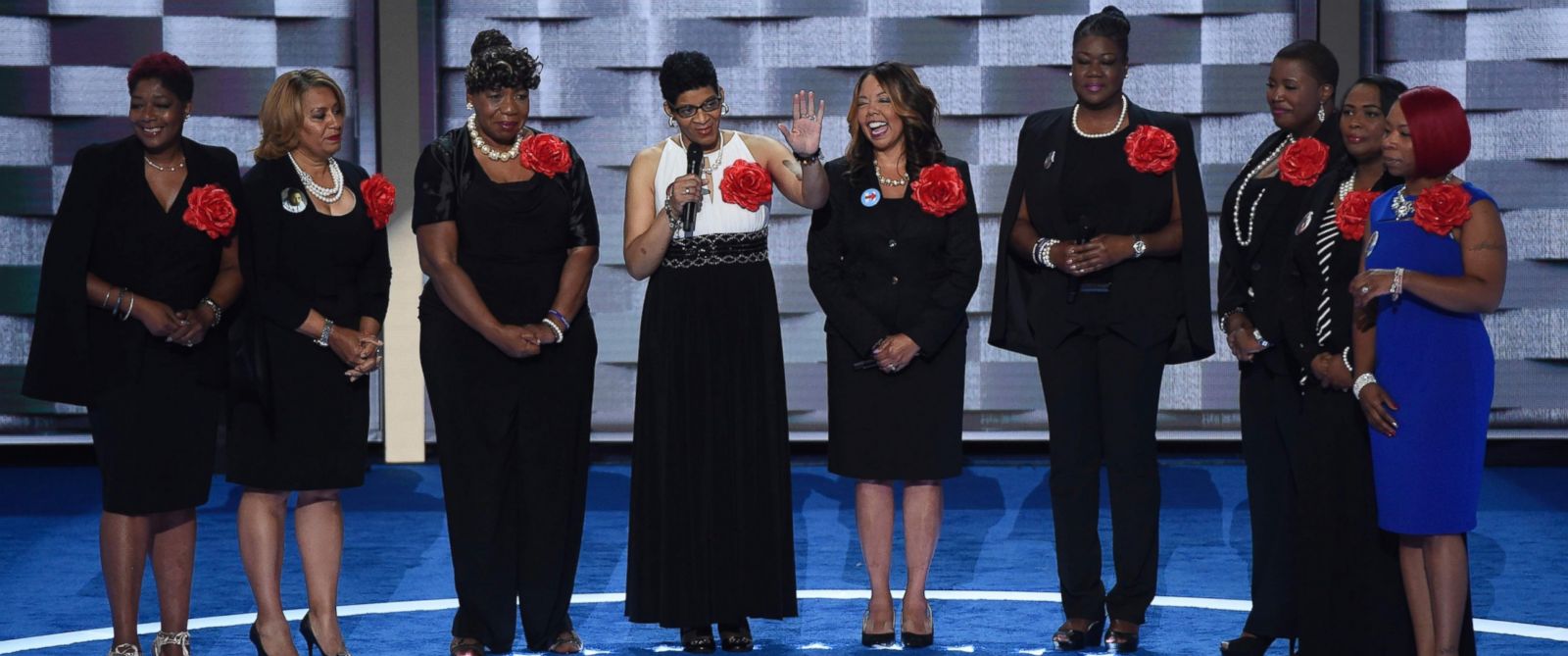
Mothers of the Movement (L-R: Maria Hamilton, Annette Nance-Holt, Gwen Carr, Geneva Reed-Veal, Lucia McBath, Sybrina Fulton, Cleopatra Pendleton-Cowley, Wanda Johnson, Lezley McSpadden)

Mothers of the Movement (L-R: Maria Hamilton, Annette Nance-Holt, Gwen Carr, Geneva Reed-Veal, Lucia McBath, Sybrina Fulton, Cleopatra Cowley-Pendleton, Wanda Johnson, Lezley McSpadden)

Mothers of the Movement: Geneva Reed-Veal, the mother of Sandra Bland; Gwen Carr, mother of Eric Garner; Sybrina Fulton, mother of Trayvon Martin; Maria Hamilton, mother of Dontre Hamilton; Lucia McBath, mother of Jordan Davis; Lezley McSpadden, mother of Michael Brown; Cleopatra Cowley-Pendleton, mother of Hadiya Pendleton; Annette Nance-Holt, mother of Blair Holt; and Wanda Johnson, mother of Oscar Grant. Each of these women could have a meaningful book (one of them has already published) but I think a book by or about all of them could be very compelling.

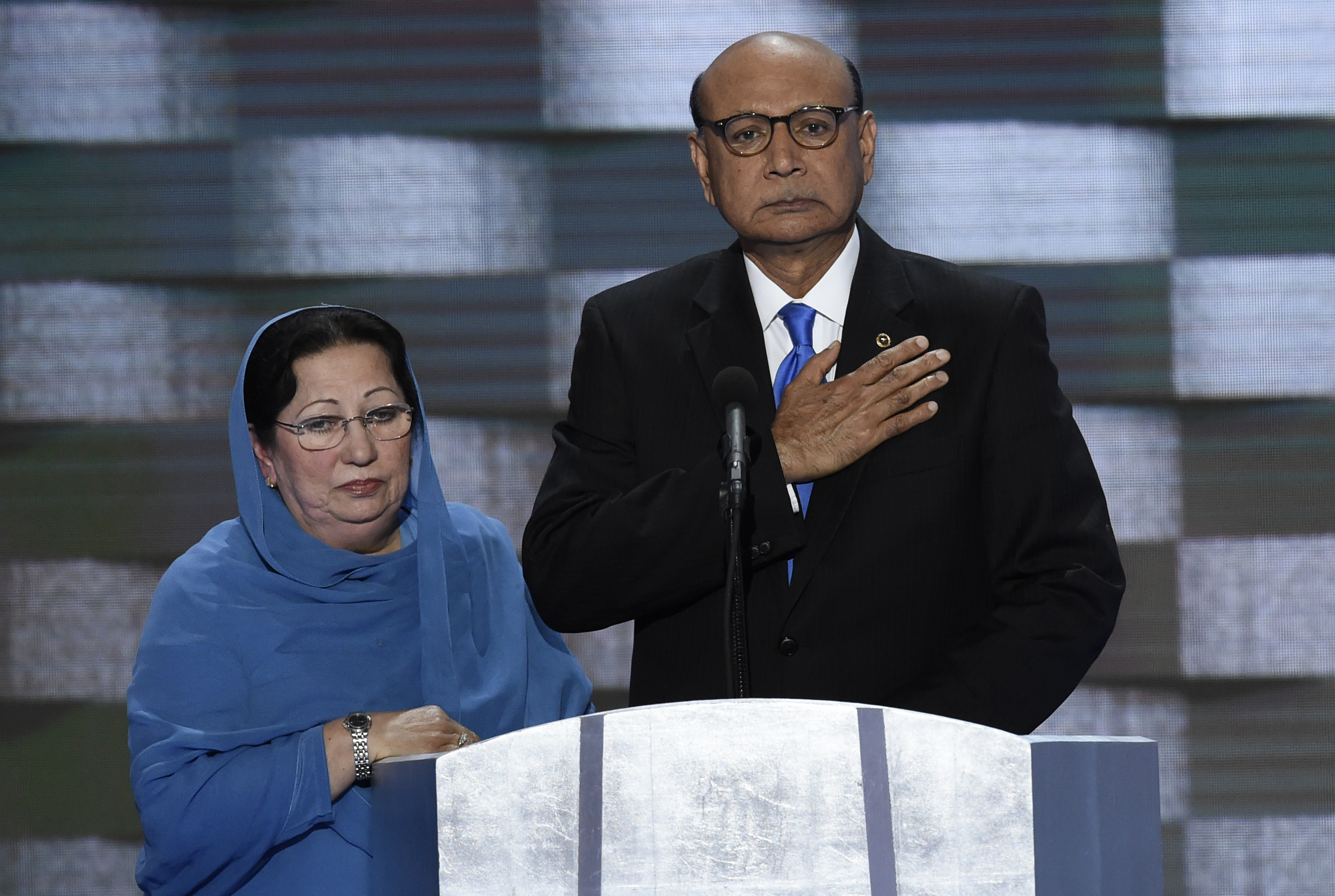
Khizr & Ghazala Khan

Khizr & Ghazala Khan

Erica Smegielski, whose mother Dawn was the principal of Sandy Hook Elementary and was killed while trying to protect her students.  Erica is an advocate for common sense gun violence prevention.

And finally Khizr Khan whose son Humayun S. M. Khan was a University of Virginia graduate and who enlisted in the army.  Khan was one of 14 American Muslims who died serving the US in the ten years after 9/11.

Did you see any others who might be great subjects, or authors of potential books?  Let me know.

4

The bookshelf project: part 2

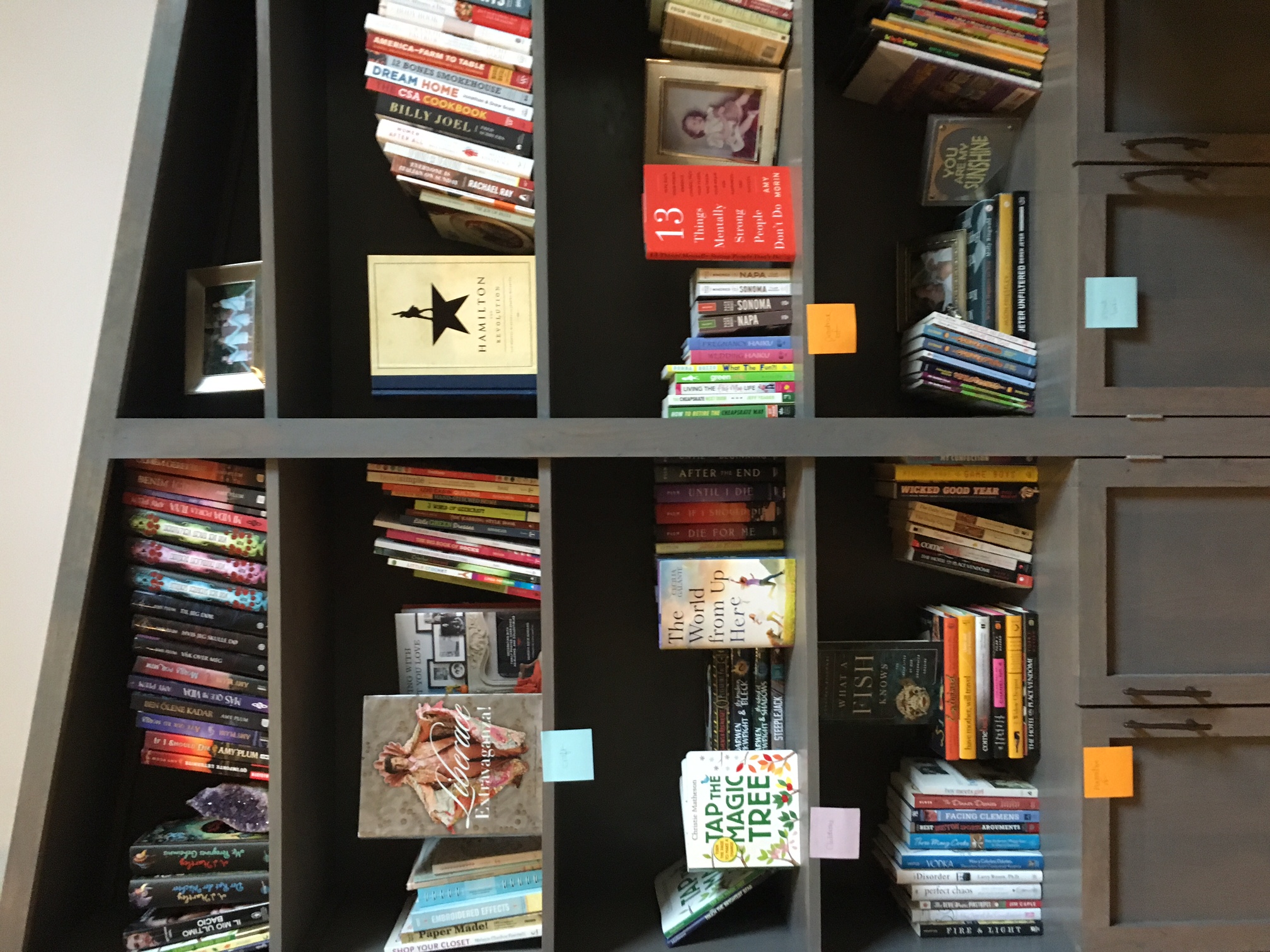
After posting about the recent arrival of my long awaited built-in bookshelves, and getting some great feedback from our readers, family, and friends, I finally embarked upon the multi-hour project and wanted to share the end result (still a work-in-progress) here:

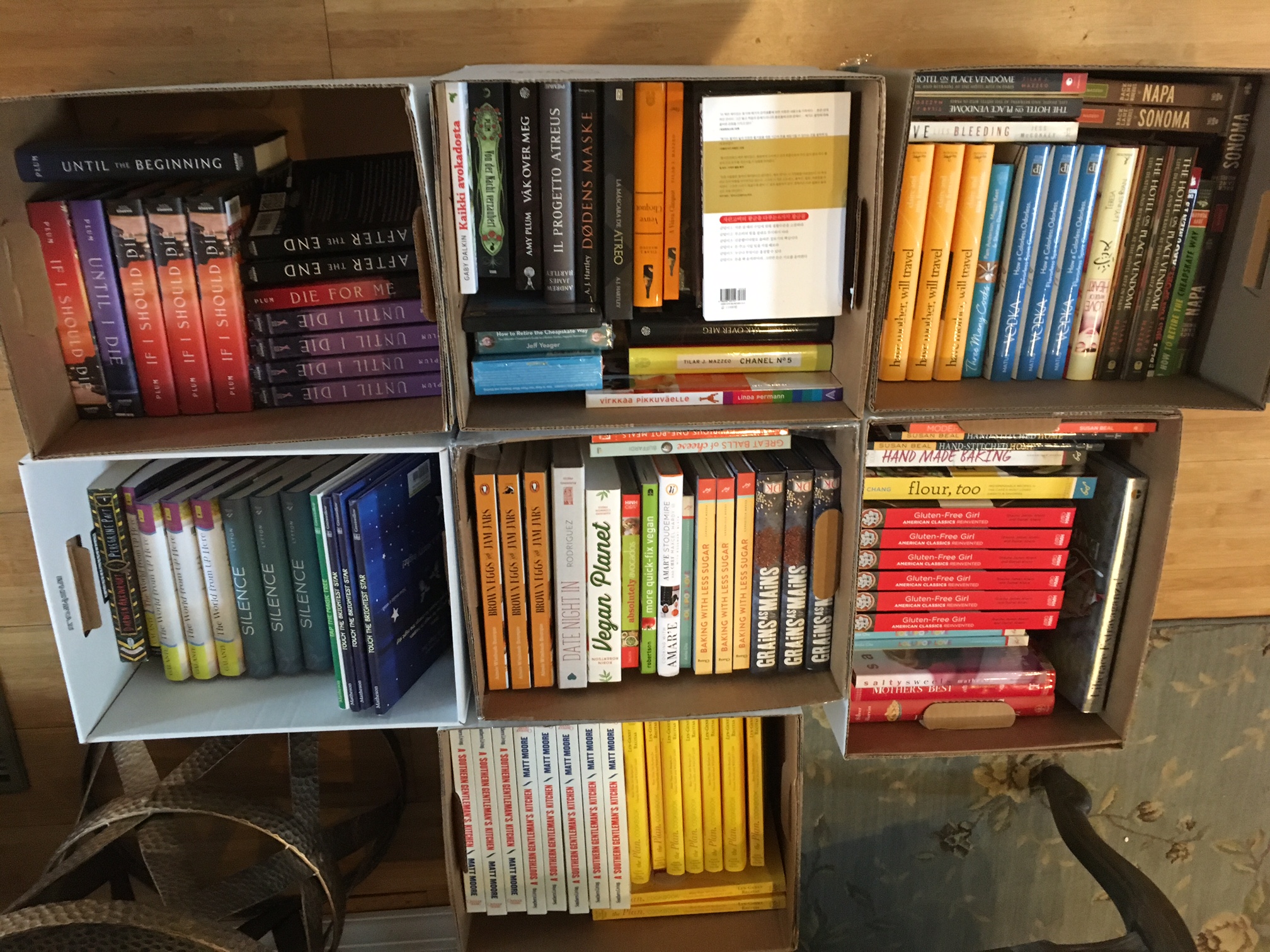
To give you some more information about the strategy (and it was discussed extensively before the project began as well as throughout the endeavor!), I’ll share how it all played out. We started by unpacking books from boxes as well as taking off of shelves from my office one copy of each of the books I’ve sold during my almost eighteen years at DGLM.

We then labeled the shelves with post-its indicating which category of books would go into which shelves. The broad sections include adult fiction, cookbooks, illustrated/craft, practical nonfiction, narrative nonfiction, and children’s. For categories where we had more books, we used more shelves. For the cookbooks, we divided them into sections: general, vegetarian/vegan, and baking and then alphabetized them within the section. Then we filled in the two top shelves with foreign editions of my titles.

We mixed the style of display with horizontal and vertical and left a few books standing up and facing out, and then filled in some blank spaces with decorative touches and picture frames. At that point, we’d filled ten of the fourteen sections, and the other four sections we used for additional cookbooks, miscellaneous awesome books (Hamilton!), and my beloved large and growing collection of books signed by the author, which includes mostly children’s books (I’m that person who will go to an author event with or without my children to get a signed book!) and a few celebrity titles.

I have a lot more books that I’ve read and collected over the years, but I didn’t want to pack the shelves too tight so I could leave room for more of my own titles to fill in. At some point I’ll get another large bookcase which I’ll put  in a different room to house  the others, but for now I’m happy my living room bookshelf project is finally complete.

Please let me know what you think and if you have any suggestions for changes or improvements!

1

Write What You Want


I was at Yallwest a couple of weeks ago, and something I heard at one of the panels won’t leave me. “Write what you want.” Of course, this seems very self-explanatory, and I’d heard it about 100 times before while working toward my MFA, but something about hearing it now, knowing more about publishing, made that statement more powerful.


While trying to get published, it’s easy to get lost in the idea of what will sell and what won’t. I see a lot of queries with, “My book will appeal to ages X through Y and people interested in…” Well that sentence alone tells me that the writer was thinking about the marketing of his or her book. Which, in a way can be good, but at what point does thinking about marketing diminish your ideas?


I then thought about how knowing about market trends has influenced my writing. I’ve seen a certain pattern in my idea brainstorming. I’ll have a new book idea only to get excited about it, and then immediately shy away from it because I know it doesn’t follow the current trends. I also know as a writer, that an idea can shape into something wholly different once it becomes a story. What I thought was a poor idea could have shaped into something incredible given my passion for the subject. I could have made something unlike the publishing world has ever seen, and my fear that this would be unaccepted, has squandered that potential.


So, that’s why I believe writers should focus more on writing what they want, rather than what they think others want, because if you’re trying to follow a trend, you will never be unique. Originality dies that way. My advice now will always be to write what you want, don’t follow another writer or what you think you should be writing. It may get you published, but that brilliant idea you squashed in order to follow the trend could have been the next break out novel.


What do you think about this topic? Do you follow the trends or write what you want?

3

What’s missing in fiction?

I admit that sometimes I grow frustrated with the seemingly endless homogeneity of submissions. Then I ask myself what it is that I want to see. The easy answer is that I want to see something that hasn’t been done a million and one times before. But are there any underrepresented subjects in fiction?

Well, this was actually the topic of a recent NYTBR “Bookends” piece, and it’s one I’ve been considering for a while because, honestly, not that many come to mind. Sure, it would be nice if fiction had a smidge more joy, but I wouldn’t go so far as to say it’s underrepresented. Novels need conflict after all. Deb’s desire to see fiction about finding a place to live gave me some interesting ideas though.

Where are the novels about the exorbitant cost of high education in America, and the average college student’s struggle to pay off student loan debts while working a low-paying job for which they’re overqualified? Or the ones about aging baby boomers sequestered in nursing homes, forced to adapt to a new way of living? Those novels likely exist already, but not in the same abundance as those about dysfunctional families.

Can our readers come up with some more underrepresented subjects? What would you like to see more of in contemporary fiction?

2

Clubbing for change


As longtime readers of our blog know, we have an office book club that meets once every couple of months.  I’ve also mentioned a time or twenty that I’m a member of a neighborhood book club in my town.  Clearly, I’m a fan of book clubs—and not just because of the wonderful marriage they broker between literature and wine.  I find that I learn a great deal from the opinions of other readers.  Even when I am convinced that they are tragically wrong in those opinions (Sharon Pelletier and Michael Bourret’s wrongheadedness about The Goldfinch comes to mind), the points of view expressed generally reveal something new and different (about the work, about the person championing it) to me.   Books are the most efficient and effective repositories of ideas mankind has ever come up with, in my opinion, and only good things can come from people discussing those ideas in a respectful* and thoughtful way.

Which is why I’m so excited about Emma Watson’s feminist book club, Our Shared Shelf.  In an era when there seems to be a great deal of ambivalence, at best, and disdain, at worst, for feminism, I think Ms. Watson’s mission is excellent.  For all the important gains the founding mothers of the feminist movement achieved (our own Phyllis Chesler among them), we still have a long way to go in attaining equality and, in many cultures, basic human rights for women.

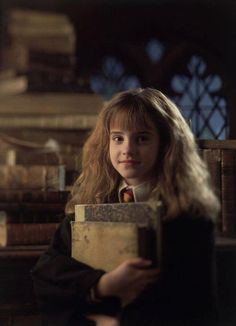
How cool is it that Hermione Granger’s alter ego is spearheading this movement?  I’m totally fangurling!

Hermione reading


*Not always the case at DGLM gatherings, I confess.

3

Uncovering ideas for books

One of the things most agents do is come up with ideas for books, and we come up with them in a bunch of different places.

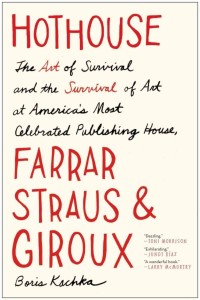
HOTHOUSEThe first example of a book idea I just stumbled upon was a story I came across in the New York Times Obituaries a number of years ago.  Robert Giroux, one of the founders of Farrar, Straus and Giroux had died and the piece written about him was filled with colorful stories and  characters.  I immediately thought there was a book about the publishing business in that era and I approached Boris Kachka, who agreed to write it.  Boris made the idea his own, of course, and the result was HOTHOUSE: The Art of Survival and the Survival of Art in America’s Most Celebrated Publishing House Farrar Straus.

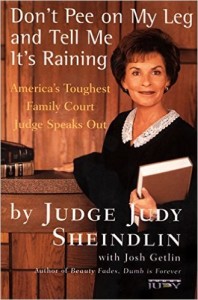
DON'T PEEA number of years ago now, I was watching 60 Minutes (which I do every week) and I saw a family court judge profiled who was incredibly colorful, opinionated and somewhat outrageous.  I found out how to reach that judge and suggested she write a book.  That became DON’T PEE ON MY LEG AND TELL ME IT’S RAINING and the author became television’s beloved Judge Judy.

Then, last year when I vacationed in Kenya, I learned about how various animals are disappearing and I approached a science writer to do a book that might be titled THE WORLD WITHOUT ANIMALS.

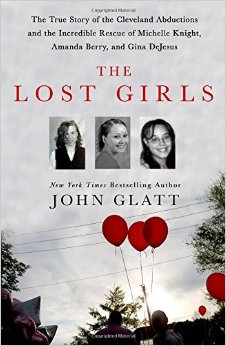
I have found many true crime book ideas in the pages of People magazine or in the newspaper. One of the most recent LOST GIRLSand a book that is doing very well is THE LOST GIRLS by John Glatt, about the three young women who were imprisoned in a house in Cleveland for ten years.

Three years ago I went to Florence on vacation and learned for the first time of the great flood in the 1950s that threatened to destroy all of the city’s incredible art and how people came from all over the world to help save it.  While in Rome on that same trip, I met a journalist who is now working on a book about this fascinating event.

Finding ideas is like discovering treasure.  We are always looking for them wherever we go.  I wonder where you get your book ideas and whether you would like to tell me about them.  Maybe we will uncover something new together.

1

Stories Behind Stories

Every project has a tale–a story behind the story–and when I talk with potential clients, I always ask what brought them to the book they wish to write. The answers are often remarkable: I can only give a handful of examples (though this is a post that could go on and on) but learning the provenance of a given project is part of what I love about my job.

When his grandmother gave him a vintage typewriter that had once belonged to a distant, long-dead cousin, journalist Bill Lascher had no idea that it was a gift that would change his life. As it happened, the cousin had been Mel Jacoby, a dashing young war correspondent for Time Magazine who covered the opening days of WWII in the Pacific Theatre. Along with his new bride–a pioneering female correspondent named Annalee Whitmore—the newlyweds dodged Japanese bombs in the Chinese capital of Chongqing, narrowly escaped the fall of Manila, hunkered down in Corregidor with General MacArthur, and reported on the soldiers fighting desperately in Bataan. As Bill researched the history of this long-lost cousin, he became convinced that he had to write the story Mel Jacoby did not live to complete. A DANGER SHARED will be published by William Morrow in 2016.

In a similar vein, another of my clients, writer and scholar Diane Simmons, inherited a trove of yellowed, perfumed letters from a close family friend. When–a bit reluctantly–she dug into them, she found a story that beggared belief, an epistolary chronicle of a charming serial bigamist and his nine wives. She used that remarkable tale as the centerpiece of an examination of the changing roles of women before and after WWII. THE COURTSHIP OF EVA ELDRIDGE is narrative history and a detective story rolled into one.

When first I talked with her, psychologist and corporate coach Michelle Brody described the illustrated relationship book she wanted to write; she’d developed an effective technique in her practice in which she literally drew a picture of each of the dozen fights that all couples have. (Turns out Tolstoy was wrong, that even unhappy families are pretty similar). Her concept struck me as brilliant–12 stick figure fights!– but tricky to execute. Michelle was not an artist herself, nor had she created a proposal, but she did have a vision for the book. After expressing my enthusiasm for STOP THE FIGHT, as well as options for how we might proceed, Michelle vanished. But when she returned, more than a year later, it was with a complete manuscript. She’d hired an artist and created precisely the book she envisioned, and that’s the book I sold. Take a look at her smart, funny, spot-on website www.Stopthefightbook.com.  I challenge you NOT to recognize yourself in one of these fights.

I’ll close with the story behind the story of one of my memoirist clients, Qais Akbar Omar, author of A Fort of Nine Towers, who started recording his recollections of growing up in war-torn Afghanistan as a way of shaking off the nightmares that plagued him. Although English was not his mother tongue (far from it; he’d taught himself English from appliance manuals in the wake of the American invasion) he found that writing in English offered him a degree of distance from the traumatic events he recounted. For weeks, he locked himself in his room in Kabul and wrote. When he emerged, he handed off the hundreds of pages he’d produced to a friend, Steve Landrigan, an American aid worker and former journalist. Landrigan quickly realized that the book Qais produced was something far more polished and profound than the typical writing-as-therapy. The men found their way to me because I’d worked with Naguib Mahfouz, one of Qais’s all-time-favorite authors. They sent me the full manuscript and I was thunderstruck.The book has now been published to great critical acclaim, in more than a dozen languages around the world.

I’d love to hear your stories behind your stories—what brought YOU to the tale you wish to tell?

5

Audio book ideas

As some readers might remember from past blog posts, my in-laws live in coastal Maine, which is about a 7-hour drive from NYC. Usually, we leave right after the boys wake up and arrive mid-afternoon. However, we’re going up next weekend, and to maximize our time, we’re attempting a night drive next Friday night. We’ve never done this before, but the boys are solid sleepers, and after a full week of camp they’re typically knocked out by Friday evening. So, I’m hopeful they’ll conk out before we hit Connecticut and stay that way!

Okay, what does this have to do with books? Well, typically when we drive up to Maine I get about a half-hour of radio in before the boys demand a DVD, and so most of the entertainment on the trip consists of me listening to the audio of their movie from the back seat. It’s a slightly surreal experience–I could probably recite the dialog of THE LEGO MOVIE and DESPICABLE ME before I’d even seen either movie.

But for the night drive, movies will be shut off by nightfall, and I figure the radio will be too noisy or distracting for the boys. And while they tend to snooze whenever we put on dub or reggae, I’m worried that might be a little sleep-inducing for the driver, too. So it dawned on me–here’s a perfect chance to listen to an audio book! And yet, I’m somewhat embarrassed to admit, I’ve never done an audio book before. Whenever I’m alone in the car, I’m a music guy–either I tune in to the radio or load up the ipod with something new.

So, any suggestions for a good listen? Any readers that I should look for or avoid if I want to stay awake but keep the boys asleep? I was thinking of downloading GIRL ON A TRAIN, since I haven’t read it yet–has anyone listened to it and can recommend? Thanks in advance for the feedback!

2

Taboos

A couple of weeks ago, I was at my alma mater to speak to the Columbia Fiction Foundry folks about publishing.   The session was structured as an interview and one of the questions posed to me was how we handle books about taboo subjects.  I liked that question because it’s one that’s seldom asked but which is important to anyone who works in publishing (or any media, really).  Given how charged the political environment is, not just here but globally, freedom of speech is a tricky, sometimes dangerous concept for those who work in the business of communicating ideas.   And, yet, we take on projects all the time that have the potential to offend some or many.  The rule of thumb for us is that if it’s something that doesn’t personally offend us, or it offends us but we think there’s merit in furthering the conversation on that particular topic,  we don’t shy away from representing it.

This week, along with everyone else in the country, we’ve been talking about the Rachel Dolezal story and wondering if there is a book in this very bizarre journey of hers.  The fact is that her actions have offended large numbers of Americans.  Given how volatile the subject of race is in this country, that’s not surprising.  But, regardless of where you stand on this individual’s weird appropriation of a group’s identity, it seems to me that the conversation her story has engendered is a good one.  I’ve read several interesting articles about this now, among them this one by our friend Sam Freedman, which have approached the topic in diverse, but  insightful ways…and isn’t that what free discourse is about?  I still don’t know what the book would be, but maybe it’s one about the very notion of discussing taboo subjects.

So, what taboos would you tackle or shy away from in your own writing?  And which would you like to see more deeply explored in print?