Category Archives: books

2

Clubbing for change


As longtime readers of our blog know, we have an office book club that meets once every couple of months.  I’ve also mentioned a time or twenty that I’m a member of a neighborhood book club in my town.  Clearly, I’m a fan of book clubs—and not just because of the wonderful marriage they broker between literature and wine.  I find that I learn a great deal from the opinions of other readers.  Even when I am convinced that they are tragically wrong in those opinions (Sharon Pelletier and Michael Bourret’s wrongheadedness about The Goldfinch comes to mind), the points of view expressed generally reveal something new and different (about the work, about the person championing it) to me.   Books are the most efficient and effective repositories of ideas mankind has ever come up with, in my opinion, and only good things can come from people discussing those ideas in a respectful* and thoughtful way.

Which is why I’m so excited about Emma Watson’s feminist book club, Our Shared Shelf.  In an era when there seems to be a great deal of ambivalence, at best, and disdain, at worst, for feminism, I think Ms. Watson’s mission is excellent.  For all the important gains the founding mothers of the feminist movement achieved (our own Phyllis Chesler among them), we still have a long way to go in attaining equality and, in many cultures, basic human rights for women.

How cool is it that Hermione Granger’s alter ego is spearheading this movement?  I’m totally fangurling!
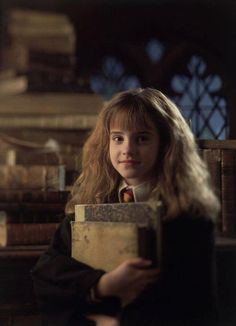
Hermione reading


*Not always the case at DGLM gatherings, I confess.
12

First person vs. third person

It seems like I’ve been receiving a lot of manuscripts/sample chapters written in the first person lately, and while this is absolutely fine if it works for that particular story/genre, I wanted to use this blog post as an opportunity to explain some common misconceptions about the different narrative points of view.

  • The idea that a third person narrator is not as intimate as a first person narrator is false. When I ask authors why they chose to write in first person, the response usually has to do with telling an intimate story. A third person narrator can be just as intimate—he/she can express the thoughts, fears and dreams of the character, as well as take a bird’s eye view of the action, which leads me to my next point
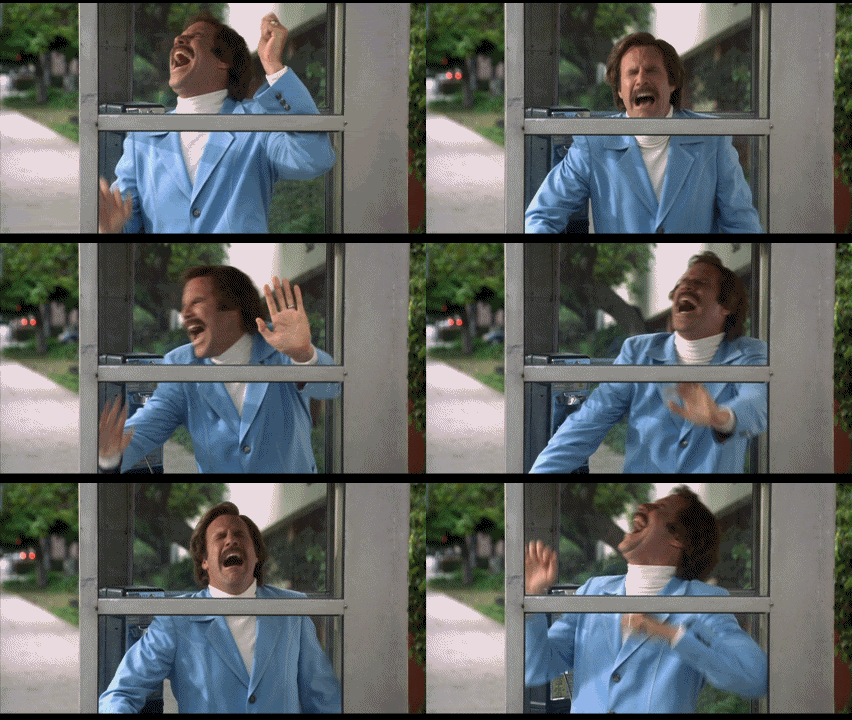
  • First person isn’t easier to write than third person. In fact, you could argue the opposite. As mentioned, writing in the third person grants you a lot more freedom—it allows you to write a story from any perspective you want. On the other hand, first person narratives can severely limit the author’s options. The author can’t write about events that the character doesn’t witness or the emotions and thoughts of other characters. It can be restrictive. Worse yet, if a reader doesn’t connect with a character’s voice, that kills the book right there. But perhaps most difficult of all, I find that writers tend to overemphasize emotions, which quickly becomes unbearable. Don’t, I repeat, DON’T put me in a glass case of emotion.


will ferrell glass case of emotion


  • Third person isn’t necessarily better than first person. While it should seem clear by now that I prefer the third person, it is in no way, shape, or form the better point of view. Certain genres work very well in first person, particularly YA. Furthermore, some books just work in first person regardless of genre. Think about your classic unreliable narrator, Holden Caulfield (although The Catcher in the Rye would probably be considered YA nowadays). The Martian and The Bookseller, and The Rosie Project were great in the first person…or so I’ve heard (only actually read The Martian). First person can work, don’t get me wrong. I just prefer third person.

I’d like to hear from our readers. Which point of view do you prefer to read? To write? Why?

0

Oh, To Be in Iceland For Christmas!

I’m very interested in learning about different holiday traditions all over the world. For example, while studying abroad in Europe I found out that the advent calendar is a huge part of the German Christmas celebrations, and that in England Christmas Eve is not as important as Christmas Day or Boxing Day. So, I was really excited to find out about Iceland’s Christmas tradition, and it immediately became my favorite, because it involves books!

Every year, by November, Bókatíðindi, a catalogue containing information about all the books that have been or will be published that year is sent to various homes. In Iceland, it’s a tradition to give books as Christmas gifts, thus the majority of them are published within the last three months of the year. I can imagine families exchanging books on Christmas Eve and then settling down with a hot cup of cocoa or cider and reading away into Christmas Day.


You can read a bit more about this amazing tradition here.


How about you, what amazing international Christmas traditions have you heard of?


1

Winter Books

As Los Angeles starts to get colder, and by that I mean a brisk seventy degrees at midday, it gets me in the mood for winter books, which in my mind means anything involving snow. I still regard snow with child-like wonder, having grown up in Southern California where my family likes to go to the beach on sunny Christmas Days. Last year it snowed on New Years and the next morning ice sprinkled across bright green lawns and palm trees—it was magical. Unfortunately, this was an anomaly, and I only really get to experience snow on vacation or fantastically.

That’s why I chose The Wolf Wilder by Katherine Rundell to read this winter. I found this novel off the shelf of my local bookstore, immediately attracted to the cover, which features lots of snow and wolves (creatures I inaccurately associate with winter). It takes place in the deep, icy woods of Russia, and follows a girl as she stands up for the wolves her and her mother reintroduce into the wild after their neglectful lives in captivity.

Last year, I read George R.R. Martin’s A Game of Thrones because Jon Snow says, “winter is coming.” In the past, I read Phillip Pullman’s His Dark Materials for the polar bears and northern lights, and Doctor Zhivago by Boris Pasternak for the sleigh rides (there are a lot of them).

It may be a weird tradition, but it has inspired me to read a lot of wonderful books I might not have read otherwise. What winter books will you read this year and what makes you read them?