Category Archives: books

4

The bookshelf project: part 2

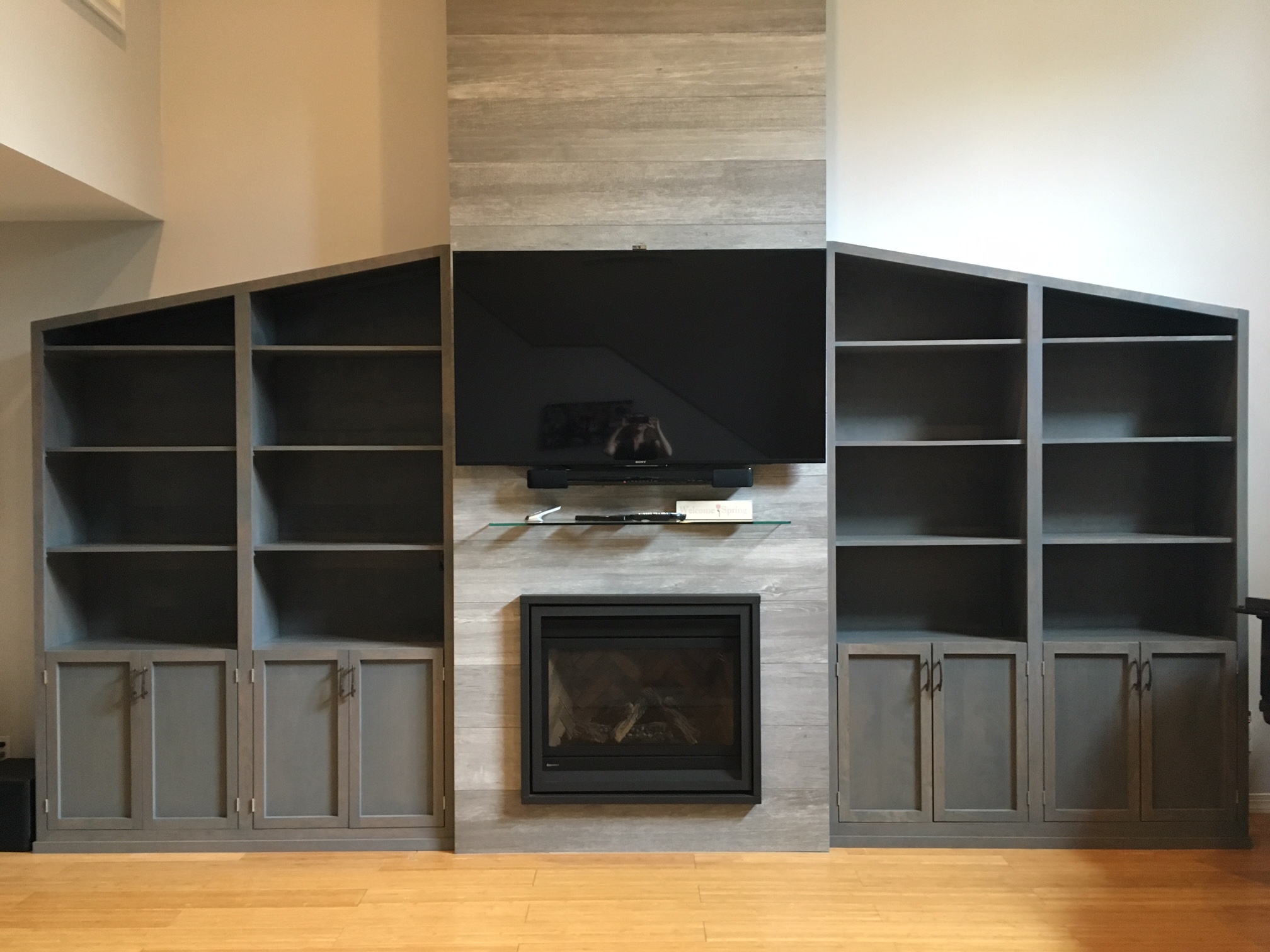
After posting about the recent arrival of my long awaited built-in bookshelves, and getting some great feedback from our readers, family, and friends, I finally embarked upon the multi-hour project and wanted to share the end result (still a work-in-progress) here:
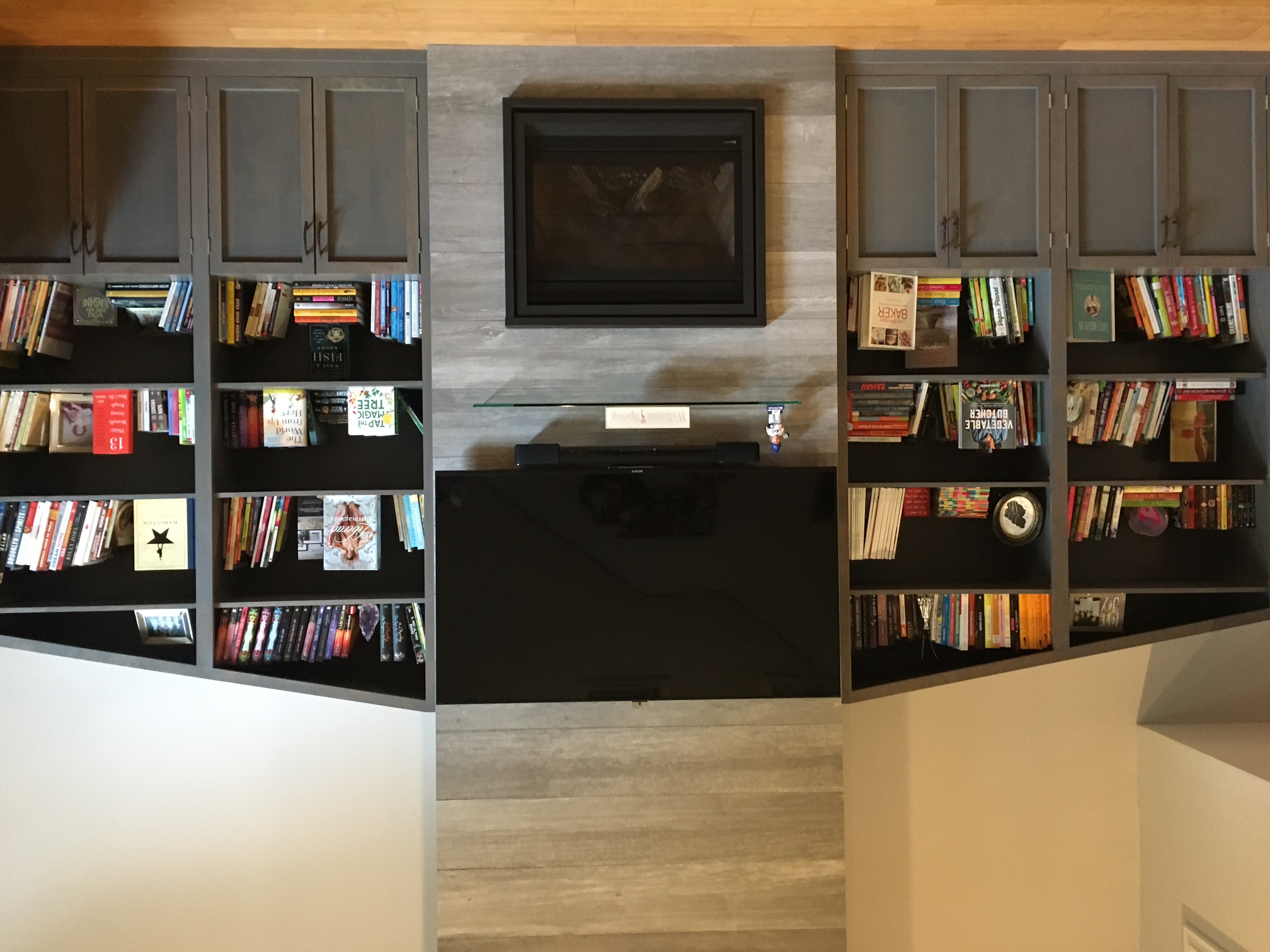
To give you some more information about the strategy (and it was discussed extensively before the project began as well as throughout the endeavor!), I’ll share how it all played out. We started by unpacking books from boxes as well as taking off of shelves from my office one copy of each of the books I’ve sold during my almost eighteen years at DGLM.
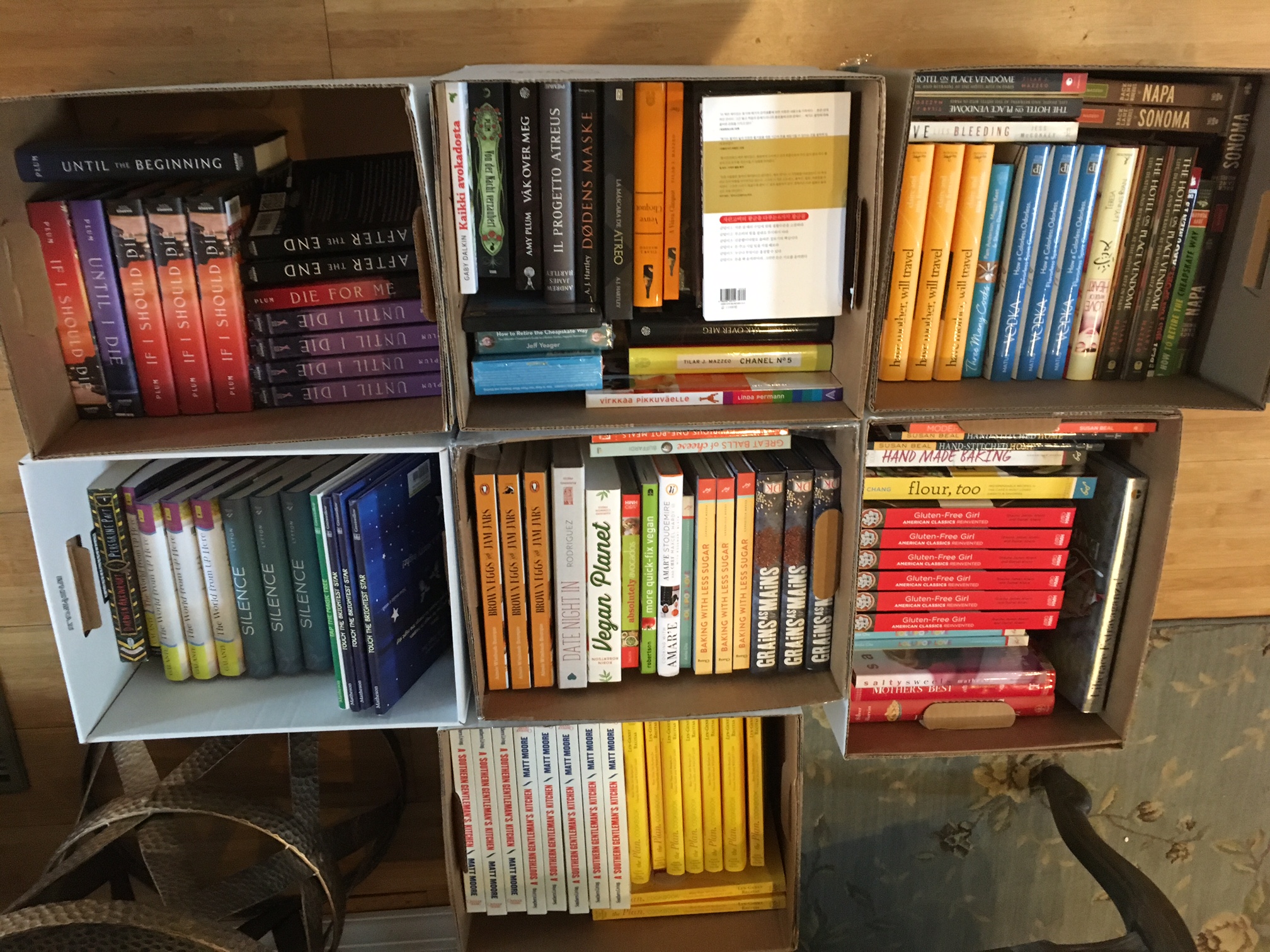
We then labeled the shelves with post-its indicating which category of books would go into which shelves. The broad sections include adult fiction, cookbooks, illustrated/craft, practical nonfiction, narrative nonfiction, and children’s. For categories where we had more books, we used more shelves. For the cookbooks, we divided them into sections: general, vegetarian/vegan, and baking and then alphabetized them within the section. Then we filled in the two top shelves with foreign editions of my titles.
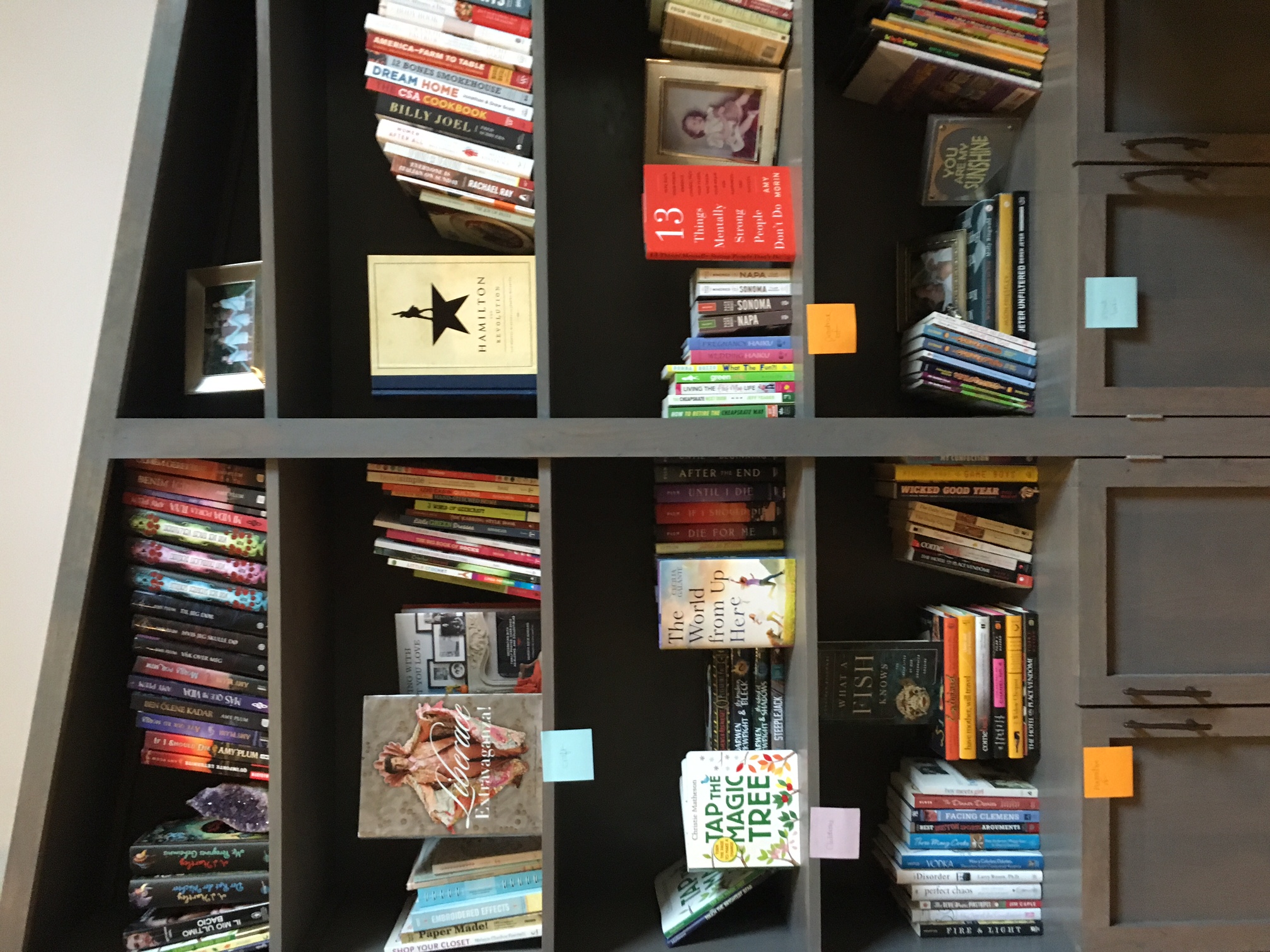
We mixed the style of display with horizontal and vertical and left a few books standing up and facing out, and then filled in some blank spaces with decorative touches and picture frames. At that point, we’d filled ten of the fourteen sections, and the other four sections we used for additional cookbooks, miscellaneous awesome books (Hamilton!), and my beloved large and growing collection of books signed by the author, which includes mostly children’s books (I’m that person who will go to an author event with or without my children to get a signed book!) and a few celebrity titles.
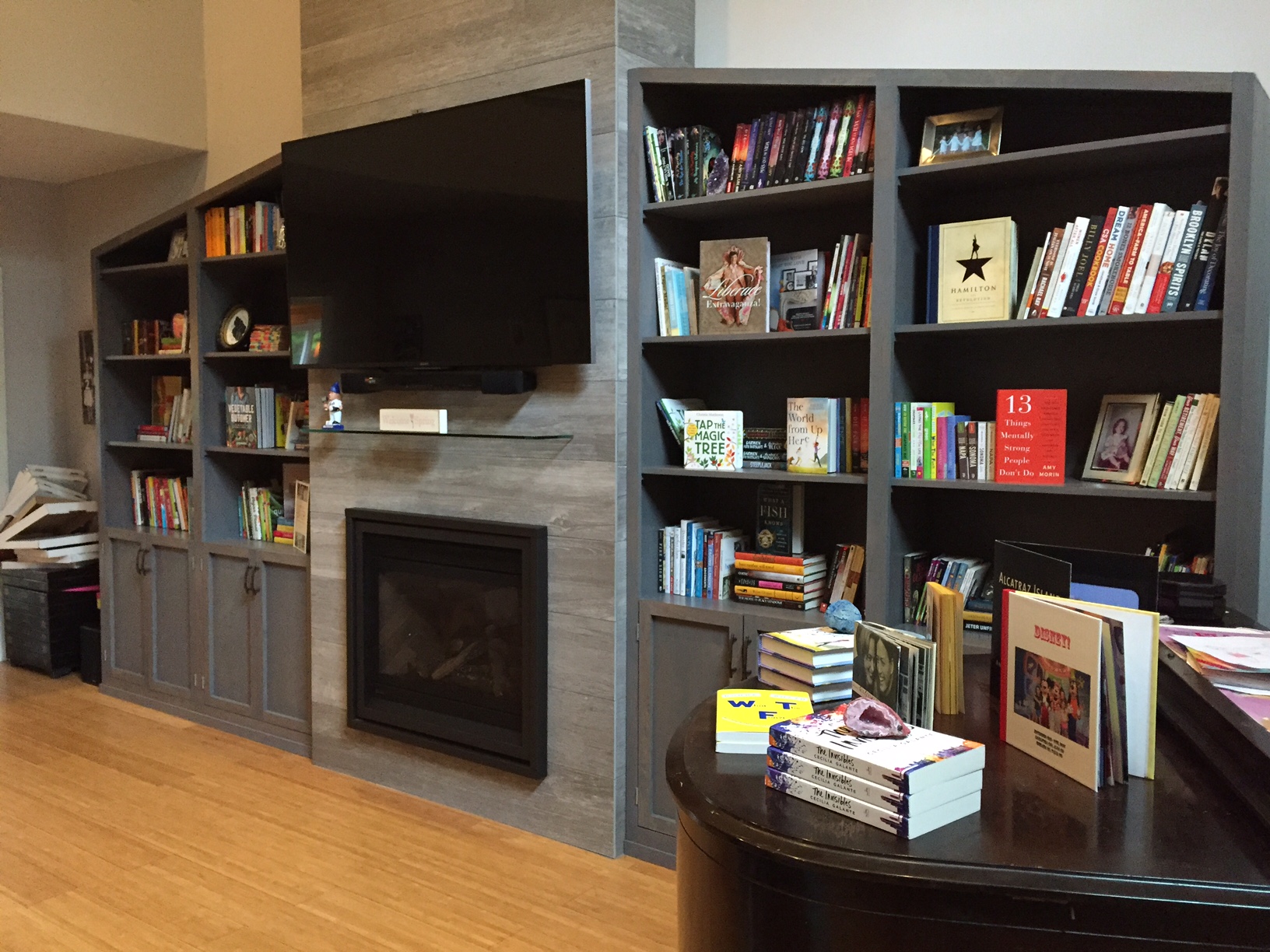
I have a lot more books that I’ve read and collected over the years, but I didn’t want to pack the shelves too tight so I could leave room for more of my own titles to fill in. At some point I’ll get another large bookcase which I’ll put  in a different room to house  the others, but for now I’m happy my living room bookshelf project is finally complete.

Please let me know what you think and if you have any suggestions for changes or improvements!
0

Getting the spark back

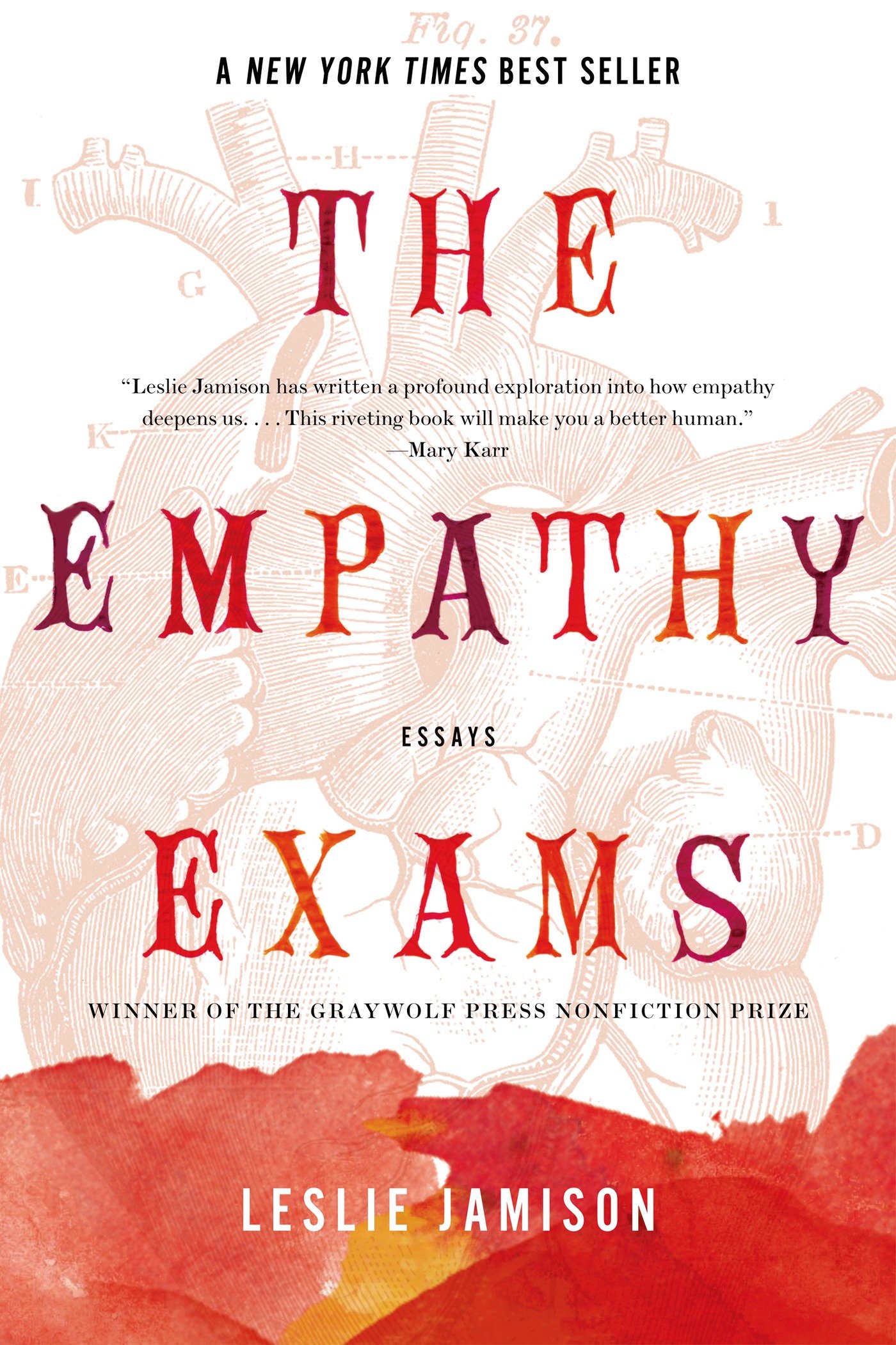
I recently picked up Leslie Jamison’s stunning collection of essays, THE EMPATHY EXAMS, which I haven’t been able to put down. It’s one of those books that changes how you see the world, how you approach the motions of everyday living, and how you treat others. It is also a book that makes me want to think about writing and the craft of writing more.

81PZlhUHHhL


I know it can be tough to find inspiration—and time and energy—to write when you have a full-time job, are in a committed relationship or taking care of a family, when you want to find the time to also create and maintain sustainable and meaningful relationships with other human beings. It can be tough even if your full time job is to write. There are so many other things to be thinking about, to be concentrating on. Yet, Jamison’s essays remind me that it is exactly in these moments—full of activity and ordinary—that are so ripe with writing material. It’s little, intimate, ordinary details that can make a character truly stand out on the page and make us go, “Oh yes! I know exactly what he/she is feeling/thinking” or “I’ve been in that situation before too!” Her essays remind me that writing is essentially about people and the stories they carry with them—and so going out and observing, spending time with friends and family, people-watching in a restaurant or bar; these are the beginnings of characters and plotlines and settings.

Is there a book or collection of essays/poetry that you always turn to when you’re feeling uninspired? Is there an activity you like to do for inspiration or to get the writing juices flowing again? Who are your writing muses?

12

Meh…

So, our next office book club book is a bestselling first novel that a publisher paid a lot of money for and that has gotten the kind of publicity most authors can only dream about (and wake up weeping once reality sets in).  I’m not going to mention what it is because (a) we haven’t discussed it yet, and (b) I don’t want to prejudice you if you’re currently reading or about to read it  (I know, I know, that’s never stopped me before, but I’m trying to turn over a new leaf).

Anyway, the issue I have with this book is that it’s…fine.  It’s okay.  It’s readable.  It’s pleasant.  It’s 20 pages of interesting and I can stop and not pick it up again for days.   What it isn’t is unforgettable and unputdownable.  There’s nothing objectionable about this novel—the writing is nice, descriptive, clean, the characters are fleshed out, believable, the premise is a good one….Zzzzzz.  I just don’t find myself thinking about any of it five minutes after I’ve put it down.  And, honestly, I routinely forget to pick it back up.

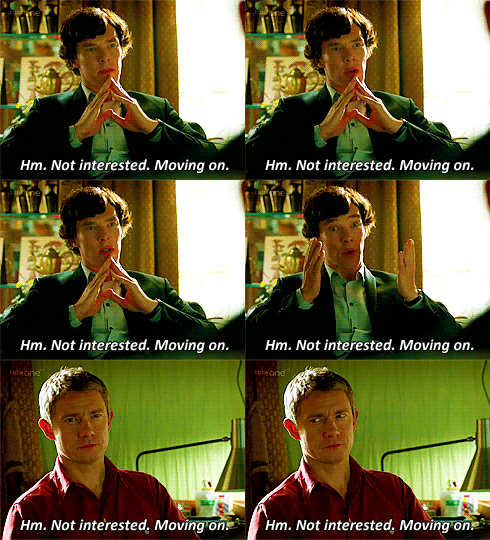
When this kind of thing happens with a book as massively hyped as this one, I always wonder what’s wrong with me as a reader and then, because I’m judgy and have the power of my convictions, what’s wrong with all the other readers.  And therein lies the biggest issue we have as agents—we’re first and foremost readers.  And, as anyone who considers him/herself a reader knows, you can objectively see the good in a published work, but you can’t make yourself love it or even care about it if you just don’t.Sherlock

Which accounts for how a DGLM agent (whose identity I will not reveal so as not to expose him to public shaming—we’ve all already shamed him in-house) passed on a first novel that went on to sell for a cool half million dollars with movie rights following for seven figures.  Turns out, he didn’t think it was all that.  And we’ve all been there.

All of this is by way of saying, yet again, that when you get a rejection letter from an agent or publisher with the cliched “I didn’t fall in love,” trust that they’re actually telling you the truth.  You should not take that as a sign that you must give up your dreams of literary success.  It just means that you need to find that one person who does fall in love or at least in enough like to get you a big honking advance and a Netflix series deal.

What are you reading and feeling “meh” about?

15

How do I fill these shelves?!

When I moved into my house almost 7 years ago, I told myself I’d have to build bookshelves to store all my books. As the years wore on and the kids got bigger, the book piles did too. I now have books, both ones I’ve represented and ones I’ve bought or been given, in every corner of my home.

Finally, the bookshelf project has come to fruition (see below) and I now find myself with two very large empty built-in bookcases and a big question of how to fill them.


I’d love some help from our blog readers. How do you store your books? Are they organized by category, color, alphabetical or some combination? I love those photos I’ve seen of spines organized by color so the shelves have a rainbow effect, but it seems so impractical to me as someone who will likely be adding books on a regular basis.


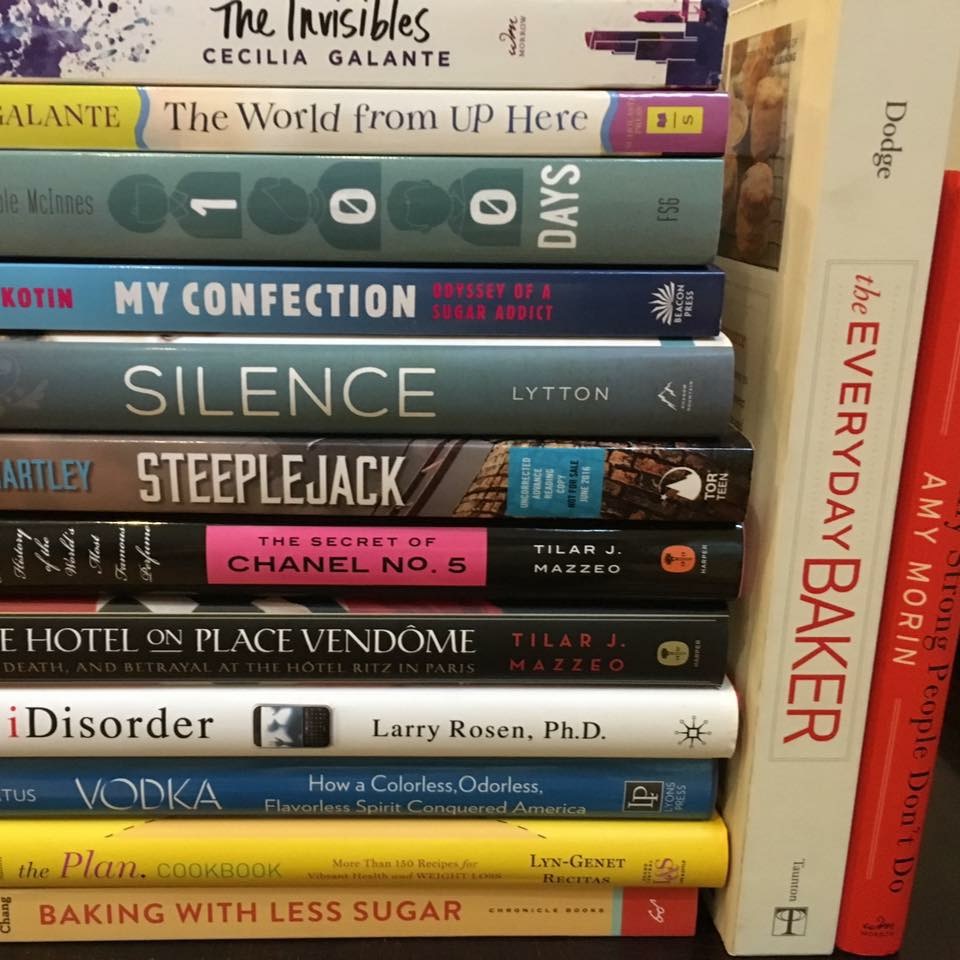
Because I represent books in many categories for both children and adults, it seems that might be the way to go. As one of my friends pointed out, though, because this is the first thing you see when you walk in my house, the books should be for display rather than for storage purposes. My instinct initially was to cram as many books as possible in to the shelves, but I think she has a point. Maybe this is a case where less is more. Below you’ll see some of the books I’ve represented that I currently have stacked on my piano.


I also like the idea of doing a combination of horizontal and vertical stacks. Should there be a pattern to that?


Would love to know what you think and how you display your books. Please feel free to send photos along. I love the visuals. And if anyone would like to volunteer to come help with what feels like an overwhelming project, please let me know!


2

Travel Reads

Perhaps something about longer days and more sunshine—although you wouldn’t know it this week—gave me the travel bug, and I was shocked to glance at my calendar and see that I’m traveling almost every weekend in April. This means a lot of long bus/train/plane rides ahead and I’ve been stocking up on public transportation reads.

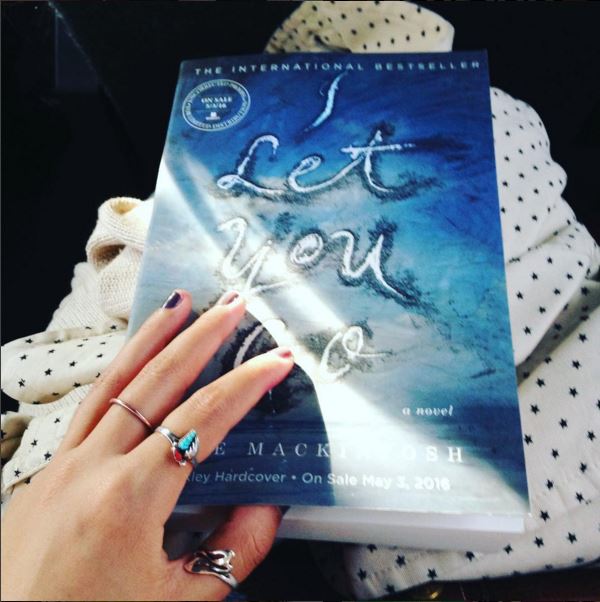
Last weekend, I was in beautiful Washington D.C., with the trees all abloom and an abundance of flowers (although sadly, I just missed cherry blossom peak). For that ride, I brought along two reads: I LET YOU GO, a stunning thriller by debut novelist Clare Mackintosh and one from our own client list, IMAGINARY GIRLS by Nova Ren Suma (repped by Michael Bourret). Both were fast bus reads, although I’m not sure I recommend reading I LET YOU GO right before you step off the bus in a city you don’t know very well.

Capture

I find that I gravitate towards YA or books that move quickly (like thrillers) for long rides. I tend to get bored/sleepy or distracted easily (people-watching! eavesdropping! all those phone games you can mindlessly play!) when I’m stuck on a bus or a train for 6+ hours.

Me on the bus.

Seeing as I have three more weeks of travel ahead of me, what do others find are good books to read on a trip? What makes a good bus/train/plane book in your opinion?

1

Celebrities + celebrity imprints = perfect together?

So, Publisher’s Lunch announced today that Lena Dunham and her partner Jenni Konner are launching a new imprint at Random House named after Lenny, Dunham and Konner’s popular newsletter.  I have mixed feelings.

Everything I’ve heard and read about Lena Dunham suggests that she’s a thoughtful, intelligent young woman with a lot of opinions and a love of literature.  Her business partner, I’m sure, is equally gifted.  That said, does the publishing business need another celebrity imprint?  And, to what end?  What do celebrity imprints bring to the table other than the star power of the celebrity they are affiliated with?  And, is that star power a transitive property as far as book buyers are concerned?

Recently, in fact, a number of celebrity imprints have been announced—Gwyneth Paltrow, Chelsea Handler, Oprah Winfrey, Derek Jeter, and  Johnny Depp (which, huh?) now have deals with big five publishers and a mandate to buy books that sell.  Well, good luck with that.

I like to think that publishing books that enrich the culture, entertain a sizable audience, and have staying power in the collective imagination is a specialized craft.   Much in the same way that a lot of people who know nothing about the arduous process of writing a book think they can write a bestseller, it seems to me that many underestimate the equally arduous process of identifying, curating, developing, massaging, producing and promoting a work of literature.  Obviously, I get that it’s a dog eat dog world out there and that publishers need every little edge they can get in order to get their product the attention it deserves, but I worry that resources that are going into supporting the celebritization of book publishing would be better used in bolstering regular, centuries-old publishing models—with editors/publishers who don’t have a Hollywood pedigree but know a good idea/manuscript when they see one and know how to shepherd it through the publishing process into the hands of readers who care about the prose and ideas and not the celebrity behind the imprint.

Or, am I being an old fuddy duddy?  Do I need to accept the fact that there might be a Kardashian imprint down the road?  What do you all think about celebrities who dip their toes in publishing waters?

2

The Appeal of Bad Boys

I’ve always been fascinated with the appeal of the bad boy. When thinking about my favorite male characters in novels, I’m always drawn to the slightly evil. Though, I don’t necessarily think I’m alone. After talking with a few of my colleagues, I realized we were all captivated by the same bad boy character. Just look at Edward Cullen from Twilight whose character led to Christian Grey in 50 Shades of Grey, there’s clearly something appealing about a man who needs redemption. One of my favorite bad boys is Howl from Diana Wynne Jones’ Howl’s Moving Castle. Howl lives without a heart until Sophie finds a way to return it to him, but before she does, she has to live through all kinds of horrible treatment from him. How could a horrible or evil character ever be appealing?

I believe it’s the need to be the savior that attracts the reader to these characters. There’s something attractive about seeing a true change in a flawed character. Perhaps it’s the hero inside all of us, needing to help someone trapped in their evil way and bring out that sliver of a good side. Or perhaps we love seeing it in literature because it so rarely happens in real life?

Who are your favorite male characters? Are they bad boys? Could their character be described as flawed? Do you want to save them?

1

Inspiration for Young Readers

I’ve mentioned a few times before that unlike most people in the publishing business, I did not fall in love with books at the tender age of 8 months.  I wish I had, and sometimes I find myself looking out for great books I might have missed out on at the time. There were no specific reasons for my not being interested in reading, I had all the resources at my fingertips but I just wasn’t bothered.

The same can’t be said for the many children living in the slums of India. I read this short article about an inspiring young girl named Muskaan, who at the age of nine runs her own library outside her house in the slums of Bhopal.

As she returns from school, Muskaan would find eager young readers awaiting her at the spot where she lays out a mat and arranges her total of 119 books (donated by officials from the State Education Board), then they would gather around and listen intently as she reads out loud to them. After these allegedly fun reading sessions, the kids would then borrow whatever books they can and settled on the mats to read, or take them as they leave.

Having read this article I am reminded how much we take for granted. While majority of the world struggle to have decent and well stocked libraries, we feel the need to cut the budget on libraries, perhaps ensuring children in the future won’t have the same library experiences most of us had growing up. At the same time, Muskaan’s courage also shows me how blessed we are as a human race because no matter what the situation may be, there is always something, despite how small it is that gives us hope.


9

Finish what you start (or not)

For most of my life as a reader, I read every book I started to the end.  Not finishing a book was sacrilege.  No matter how tedious the narrative (I’m looking at you, James Fenimore Cooper), how irritating the storytelling (Hi, Dan Brown), or how purple the writing (Ugh, take a bow, Robert James Waller), I would slog through the whole thing figuring that even if I hated the book I would have learned a valuable lesson about bad choices and the authors who make them.

Then, I became a grown-up.  With a job that requires a lot of homework, a husband I like to talk to, a kid with more activities on his calendar than Babe Paley in her heyday, and friends I’d ideally like to see in person rather than just on Facebook, reading for pleasure has become a, well, guilty pleasure.  My once holier-than-thou attitude about finishing what you start has now morphed into if I’m not intrigued by the second page and in love by the fiftieth, the book is going back on the shelf to collect dust and await discovery by a more committed reader or eventual relocation—so I don’t feel guilty every time I look at it.

There are exceptions, of course.  You all know I read every last annoying word of The Goldfinch even though I disagreed with all those who thought it was brilliant.  Occasionally, I do force myself to keep reading, because there are glimmers in those first 50 pages that the story will unfold to reveal something exceptional.  Mostly, though, my pleasure reading follows the pattern of my work reading.  If you can’t capture my attention very early on, the crush of other manuscripts waiting in the wings will make the decision for me.

A propos of all of this, today, on Galleycat, I saw a piece about how women are more apt to stay with a book they don’t like than men.   And, from my experience, I find that to be true.  The women in my book club, for instance, will routinely report that they have read an entire book they felt lukewarm about at best or hated outright at worst.  My husband and other male friends, on the other hand, will leave a trail of half-read volumes in their wake with not even a discernible glimmer of guilt or regret.

What does that say about women and men as readers?  And does it mean that my reading process has become more, er, masculine as I’ve gotten older?  Do you guys finish everything you start?  And, if not, at what point do you throw your hands up, toss the book aside, and go in search of the remote?

3

Tell the truth about your reading!

At one point or another in our lives, we’ve probably all lied about reading a particular book—whether it’s because we were trying to not get in trouble with a teacher or professor, pretending we’re up to date with pop culture, or just trying to not sound dumb in front of friends or colleagues. Indeed, the Telegraph has posted a list of the books that people have lied most about having read. (No, it’s actually not Ulysses.)

But have you ever lied about having never read a certain book? I ran with self-professed book nerds in high school and college, and because we were all judgy teenagers, there were books that we simply avoided out of ignorance or because everyone else was reading them. For example, there was a time (for a while, until I got caught) that I denied reading Twilight by Stephenie Meyer because most of my friends made fun of it (even though I looooooved that series as a preteen).

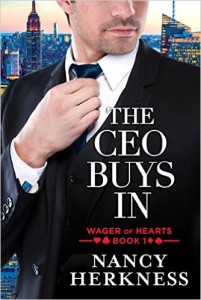
Working at DGLM, my reading tastes have broadened considerably. You read everything so you can recognize good writing or storytelling when you see it, no matter what the genre is. As an example, I’ve discovered that I really like picking up a romance at the end of a long week. theceo(I just finished Nancy Herkness’s The CEO Buys In, which I couldn’t put down!) Not that long ago I’d never read an adult romance novel—I had just wrongly assumed that I wouldn’t like them.

I’m grateful for the chance to open myself up to new kinds of writing and get rid of some of the preconceived notions I’d had as a young reader! How have your reading tastes changed over the years? Are there books you love now that you wouldn’t have five, ten, or twenty years ago?