Category Archives: hand-selling

A special holiday gift in Brooklyn

It was with great sadness that I and many others learned this week of the end-of-year closing of the classic neighborhood Brooklyn bookstore, BookCourt, which has been a neighborhood staple for 35 years. Even The New Yorker payed homage.

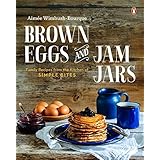
I lived in Brooklyn not too far from the store for many years before I moved out of the city, and it was always such a warm, wonderful place to visit, shop, or attend a book event, reading or party. Last year, I went to see my client, Aimee Wimbush-Bourque, author of BROWN EGGS AND JAM JARS and the upcoming THE SIMPLE BITES KITCHEN, there during a winter snowstorm and it was the most cozy, intimate experience being inside that place surrounded by books while she read from the book and her kids ran around enjoying themselves too while outside it was a big, fat slushy mess.

Product Details

So it was such a happy story to learn that the author and Brooklynite Emma Straub and her husband are going to be opening up a bookstore in Brooklyn called Books Are Magic (how cute is that?).  And also that they’ve received a ton of support for it from the community and others. Losing a neighborhood bookstore like BookCourt is like losing a member of your extended family. The neighborhood just won’t be the same without it.

I don’t live in Brooklyn anymore, but I look forward to visiting Books Are Magic before too long. What’s your favorite local bookstore?

2

Who do you call? (Not Ghostbusters)

When you’re looking for a new book to read, who do you listen to? The broad selection of books can be overwhelming – walk into a bookstore and you’re confronted by table after table, shelf after shelf, of unopened books with the fresh smell of ink luring you towards them. Or turn on your e-reader and scroll through the e-bookstore, cover after exciting cover designed especially to catch your eye and pull your thumb to the “Buy” button.

So how do you choose? Do you ask friends and coworkers what they’ve loved? If so, maybe you have certain friends that you can count on to recommend a read that’s just up your alley…and certain others whom you have learned the hard way never to ask for a suggestions. What if your brother only reads really gritty war novels, but you’re looking for something cheery for the beach. Or the woman next door churns through self-improvement titles when you really want the next meaty political memoir. After all, one reader’s trash is another reader’s literary treasure.

Maybe you play it safe by checking reviews online, or asking a bookseller. Most booksellers are in it for the love of it – nothing makes their eyes light up like being asked what they’ve read recently. Same goes for reviewers, whether it’s the venerable New York Times Book Review, The Millions webmag, or a YA reader active on Goodreads. Lauren recently asked all of you blog readers for suggestions, while I myself rely on an even mix of what’s buzzy on Twitter, what’s new at the library, what my friends in publishing are excited about, and whatever catches my eye during my weekend used bookstore prowls.

Where did you hear about the last book you read?

3

Longevity

One of the things I like about e-books is the fact that they have longer “shelf” lives than print books.  I like that I can think of an obscure title that I read and loved back in the Dark Ages—when Reagan was president and I still thought a flat iron was a good idea on my hair—and have it in my e-reader within seconds.  As much as I love physical books, I relish the convenience of accessing information or pleasure reading without waiting for half an hour while a surly bookstore clerk goes digging in his computer to see on what shelf there might or might not be a copy to be found.

Personally, if I love an e-book, I’ll more than likely find a way to buy a physical copy.  But, what my own e-buying trends (and those of my friends and colleagues) tell me is that digital books can sell more and longer than print copies that have to fight for shelf space, if marketed correctly, and can tap into ever-renewing markets with ease.

This Galleycat piece about how to re-energize sales of old titles is worth checking out by authors thinking of self-publishing, or digitizing their backlist, or helping their publishers promote their titles.

Case in point: Through DGLM’s e-book program (which we’ve blogged about here) we recently put up the late John Comer’s Combat Crew, a gripping memoir of the 25 combat missions Comer flew over Europe during WWII.  The book had been out of print for some time and Jim Comer, John’s son wanted to get it back out there for a new generation of readers and for the veterans and military personnel who would doubtlessly be fascinated by his father’s stories.  Reaching these specific markets and having hit the pricing sweet spot, the e-book has been an unqualified success.  And, indeed, a new generation of readers is discovering this classic narrative.

So, before you e-publish think about what markets you want to reach and how, think about pricing and don’t over- or under-price, and read as much as you can about internet marketing.  It will pay dividends and give your work an extra-long life.


3

He’s no jack of all trades

Sometimes, you just want one thing done right.  You go to Crumbs or Sprinkles for cupcakes, DiFara for pizza, Umami for a burger.  You know they only do one thing and do it well.  What about books?  Sure, you could go to Mysterious Galaxy for mystery (ok, and other types) books, or head over to O’Reilly for your technology tomes.  That’s what vertical is all about!  But what about a store that sells just one book?  Now you have it! Andrew Kessler is selling his book, Martian Summer, out of a storefront in New York’s West Village.  It certainly is great advertising, even if I can’t quite figure out the economics of it all.  The again, the article ends with the charming Mr. Kessler explaining, “I’m not a very good businessperson.”  Indeed.  But the free advertising he just got in the New York Times might well be worth it!

2

Handselling tips

While I was researching last week’s blog post, I came across this not-so-recent piece from Writer’s Digest that I thought was worth sharing for those of you published authors out there, and those of you who aspire to be published and want to read some basic, but valuable, advice from an author not entirely comfortable in the sales side of writing books. I just started selling Girl Scout cookies with my kindergartener, so I love her anecdote about those memories. I’m glad we have a big family and were able to sell 28 boxes without any handselling at all!

I heard from some people when I posted about tips on blogging who didn’t feel great about putting themselves out there in that way. It sort of goes against the grain of what many writers enjoy about writing—it’s a solitary pursuit. I totally get that, and it’s part of the reason I left acting so many years ago and became a book agent, so I could be behind the scenes! But in this market, it’s still about having the right combination of elements, not only to get published, but to be published successfully. Things like being personable, outgoing, creative, and willing to engage with your audience can and will make a difference, no matter what stage of the publishing game you are at. So I hope there’s some advice here that you’ll find worthwhile, and if you have any other tricks of the trade to share on this topic, please pass them on.

Indies in action

I loved reading this piece from Publisher’s Weekly‘s blog section, which is written by bookstore owner, Josie Leavitt of The Flying Pig in Vermont, and talks about the pros of handselling books. I love her line, “Passion is what sells books.” It’s a sort of old fashioned way of doing it, but it seems so smart and obvious to have people who genuinely love books selling them and sharing their feelings about various books they love. And it’s so nice to see how it can actually translate to sales as evidenced by the sales of her own store.

What’s your favorite local bookstore, or did you have one growing up that you remember frequenting? There are so many big stores today, although fewer thanks to Borders recent filing for bankruptcy (see Michael’s post), but maybe this will make room for more independent stores to thrive (the power of positive thinking). I still love the smaller shops and try to give them my business where I can. Omnivore in San Francisco is a unique, inviting place specializing in food and drink books that I found while visiting my brother last year when a client of mine had a reading there. I loved Book Court in Cobble Hill when we lived in Brooklyn, and even here in New Jersey there are a couple of great ones, including Books & Greetings in Northvale and Acorns in Tenafly. We had my daughter’s 4th birthday tea party at Acorns, and it was one of the most lovely, intimate, and adorable parties I’ve ever been to. Highly recommended for anyone local!

The art of hand-selling

by Jessica

Just before the Thanksgiving holiday, I attended the Middle East Studies Association conference, which is the yearly gathering of scholars of the Middle East. With its panels and papers, receptions and speeches, it is probably not unlike academic conferences of other disciplines, except that the music at the Sunday night dance party was Arab pop (if you’ve never heard the Middle East’s answer to Madonna, she’s worth a listen: check out Nancy Ajram on youtube) and among the post-docs getting down were a daunting number of accomplished belly dancers.

I go to MESA to get a sense of the ideas percolating in the field, sit in on assorted lectures, and meet with potential and existing clients whose research crosses over from an academic to a mainstream readership. This year, while helping out friends and former colleagues, I also had the memorable opportunity to moonlight as a bookseller. I have limited experience in the retail end of publishing; as an agent I’m in the business of selling books, but I’ve never tried it on a copy-by-copy basis. The experience was instructive, and I emerged from my adventure with a renewed sense of respect for the business of hand-selling.

It quickly became obvious that matchmaking between book and customer is both art and science—in this case I happened to know the books I was selling quite well, but to occupy that sweet spot between helpful and obtrusive was a wholly different challenge. When I convinced a browsing professor to purchase a novel I’d particularly loved, I was immoderately pleased. That she was already very likely interested in the subject I was peddling in no way diminished my sense of accomplishment. Other artisanal processes, like making cheese or crafting small batch whisky seem to be enjoying a renaissance, but hand-selling books, and the people who do it, ably and for real, are faring less well. Perhaps the book industry needs its own answer to the locovore movement. (Perhaps it’s out there—if yes, let me know).

Programs like B&N Discover and Borders Original Voices are efforts to scale up the hand-sell, and I like these programs immensely, but I note them professionally perhaps more than I respond to them personally. I’m curious to know how you all respond to them—ditto Amazon recommendations. Amazon’s ability to target my interests is undermined by the fact that I use the site as a research tool more often than I do to make purchases, but maybe you have better luck. Shelf talkers are great, but for me, nothing beats interested, widely read booksellers with whom I can speak; not only are they brilliant at suggesting books, they see the publishing industry from a perspective of the buyers who keep it alive. These days I’m particularly fond of New York’s Idlewild bookstore, which specializes in books on international themes—travel, world lit, etc.

But as I suspect is the case with many of you, indie bookshops have always had a special place in my heart. When I was growing up, each year, probably right about this time, my parents (both inveterate readers of nonfiction) would report to our local bookshop, where the owner would recommend a raft of novels that were just right for me. The stack that ended up beneath the tree, selected by Santa Claus, never disappointed. When, eventually I figured out that it was the bookstore owner and not St. Nick doing the selecting, it did not render the achievement any less magical. I was, however, crushed when the store closed (take that Virginia). Imaginary though he is, Santa’s position seems more secure than that of the independent bookseller, a figure whom I hope will not become a ghost of holidays past, as Jane touched on recently.