Category Archives: Authors Guild

1

Lost in Translation

I represent a bit of literature in translation, but the only time that I am actually called upon to translate is when a client studies his or her royalty statement and discovers it may as well be written in Greek. Few documents are as unapologetically opaque as this twice yearly statement, which is why I found the recent Author Guild post so very—and so characteristically— spot-on.

Houses have no standard form or industry-wide convention for reporting their book sales. Each house makes up its own and decides what to include; despite the cultural currency of the idea of “transparency,” few statements are clear, user-friendly or easy to interpret. So much for buzzwords. Standards in royalty reporting vary so widely that it’s tough for even the savviest of authors–economists, statisticians, and entrepreneurs among them–to look at a statement and understand where and how their books have sold. Returns are partly to blame—books that appear to be sold need not remain that way, and as a result, the “net” (the number of books the publishers actually sells) can decrease over time. Counter-intuitive as this might seem (the longer a book is out there, the more it sells, no? No.) unsold copies can usually be shipped back to the publisher for a full refund. Books being sold on consignment is a nasty holdover from the Great Depression, when booksellers might have vanished altogether if merchandise was not returnable. Returns are an entrenched vestige of the bad old days and subject for another post, but royalty statements –these can be reinvented with far less pain and far more benefit. Would making them easy to interpret really be so difficult? Would closing the gap between statement and selling period prove disastrous? Statements are a snapshot of time, static and instantly outdated, but they need not be nonsensical, too.

What has your experience been?
1

Some nuggets

For today’s blog post I just want to share several short nuggets of information with our followers.

Nugget #1

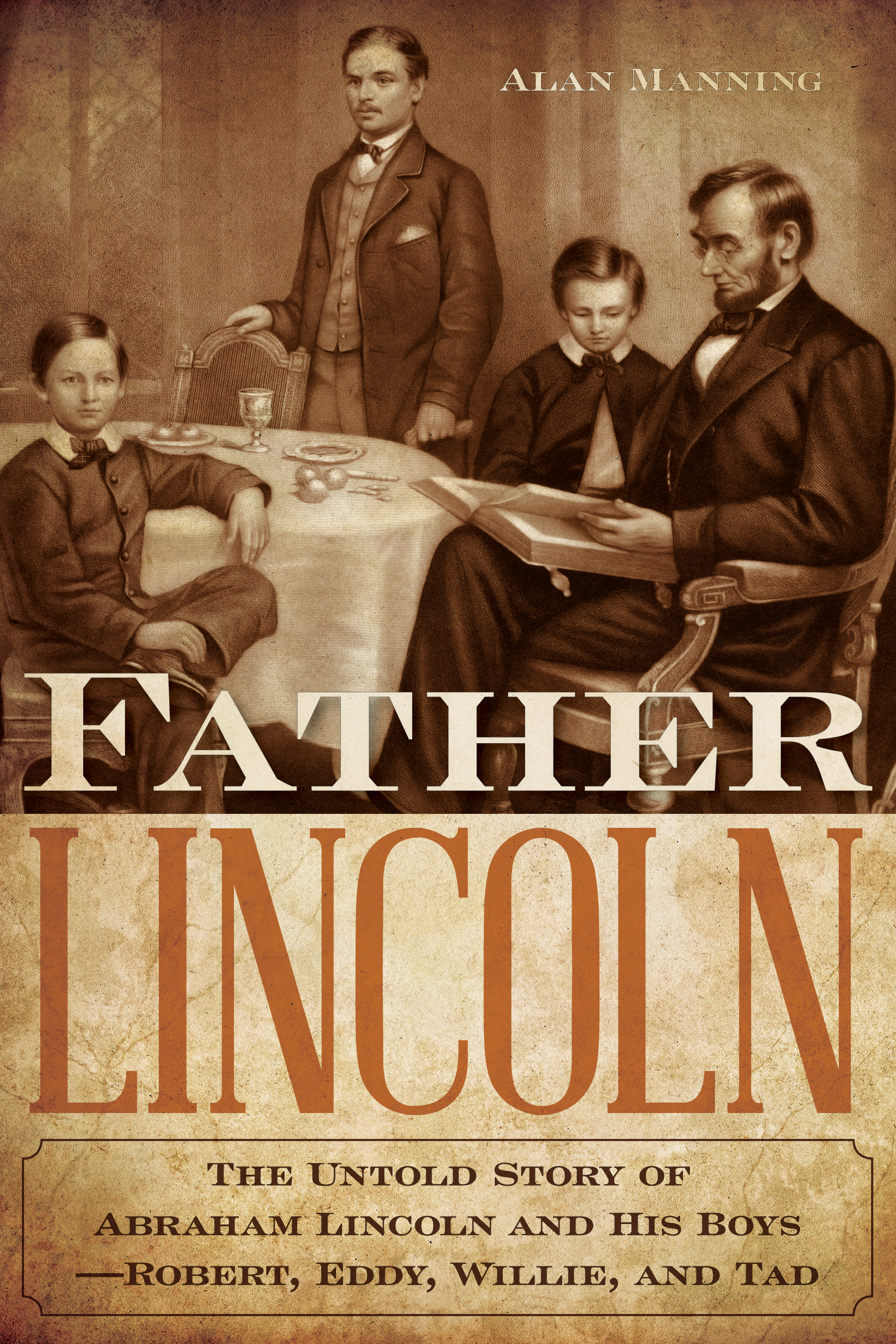
A cover reveal! Because I know that’s a popular request, and I absolutely love this cover.


FATHER LINCOLN Cover

FATHER LINCOLN by Alan Manning


Nugget #2

Cause for concern?

I’m referring to an upcoming Authors Guild study on author income coming out this week that everyone in the industry should read, as it affects not only the livelihood of authors, but the wellbeing of the publishing industry as a whole. It’s hard not to wince at the idea of 56% of authors earning below the poverty line in 2014, and the always-contentious standard 25% e-book royalty rate and Amazon’s marketplace dominance are widely believed to be the cause of such an ugly statistic. BUT I would also like to stress that it’s too soon to jump to conclusions without seeing the whole report and being able to identify larger earnings trends. Do things need to change in order for midlist authors to be able to earn a decent living? Yes, almost definitely. And luckily technological innovation is giving us ever more inventive means of distribution, marketing, publicity, etc. Now we just need some sort of study to reveal some jarring statistics that shock us into a conversation about change. Oh wait…


Nugget #3

Gotta love the short fiction on Twitter! Something I alluded to in an earlier blog post.

3

The importance of reading your contract

by Jane

Over the past months, we have spoken of the many reasons an author needs an agent, and this week, once again one of them became crystal clear.

On Thursday, June 10th, The Authors Guild sent out an alert to its membership that former Bloomberg Press authors should not sign a letter they had received from John Wiley & Sons which is actually a contract amendment that The Authors Guild maintains will make their contracts with their publisher less favorable to them in numerous ways, which Wiley disputed.

Clearly, if an author didn’t read the letter carefully and understand what it was and what effect it would ultimately have if signed, he or she would most likely have been giving up something unintentionally.

This has happened time and again recently with publishers sending authors letters trying to add electronic royalty rates or alter those that are currently in their contracts. In an age of enormous change in our business, I know this kind of thing will only continue to happen.

Which is why it is all the more important for the author to have his or her agent carefully review all of this correspondence and analyze its effect before the documents/letters are signed and sent back to publishers. Even many lawyers often don’t pick up the nuances of publishing contracts and amendments—another reason having a literary agent is necessary.

I would love to hear your thoughts on these contractual shenanigans and whether you think you have been duped in the past.

6

Using what’s out there

by Lauren

Have you ever discovered that the exact information you were looking for was readily available online, but not found it until months after you first decided it would be of use? It just happened to me this morning, and it’s a reminder that no matter how hard you search, there’s still a lot out there that you might be missing. While Googling can get you far in life (and I firmly believe everyone should cultivate reasonably good search skills for their personal and professional benefit), sometimes the greatest sites are ones you’d never know to look for. It can be really helpful to know what sites others with similar interests and needs find handy.

Certainly, all authors should be sure to check out the website of the Authors Guild. Some of their resources are only for members (authors with publishing contracts should think about joining), but others, like the information on the Google settlement, are freely available. For anyone interested in the possibilities that the world of social media has to offer (and frankly, you should all be, because it’s not only personally fun and useful, it’s critical to a successful career in publishing these days!), Mashable is one of the best sites out there, including how-to guides both basic and advanced to get you started and then help you take it to the next level. If, like me, you’re a grammar nerd (or simply need the help), check out the Chicago Manual of Style’s free monthly Q&A. There’s also the option to subscribe to the manual itself online, though I’m personally partial to the hard copy on my desk with post-its flagging the issues for which I’m most likely to need reminders.

Which sites do all of you find useful? We find the blogs in our blogroll (take a look to the right!) to be pretty informative, but I think the best resources for authors, both published and aspiring, are probably those their fellow authors are already using. So share below your favorite resources for authors and publishing professionals! I’ll definitely be looking to add to my list.

E-book rights wars are on!

by Miriam

Continuing the theme of Jim’s post yesterday, the e-book rights wars are on! Clearly Markus Dohle’s announcement that Random House has a retroactive claim on electronic rights that weren’t in existence when certain of their contracts were signed (as well as your grandma’s china and your first-born), has raised quite a stir in some circles–authors, agents, people who don’t like legal documents manipulated to mean whatever a powerful corporation decides they mean…

As PW reports, the Authors Guild is, rightly, miffed about this power play by one of the industry’s biggest players, not just because of the immediate implication to RH authors but because of the precedent such a move may set.

My sense is that Mr. Dohle’s move will not have legal legs to stand on and will engender a great deal of ill will within the publishing community. What do you all think?