
 October 07, 2016
  Amy Bishop
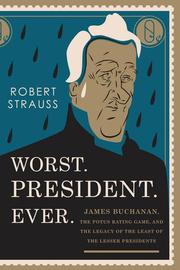
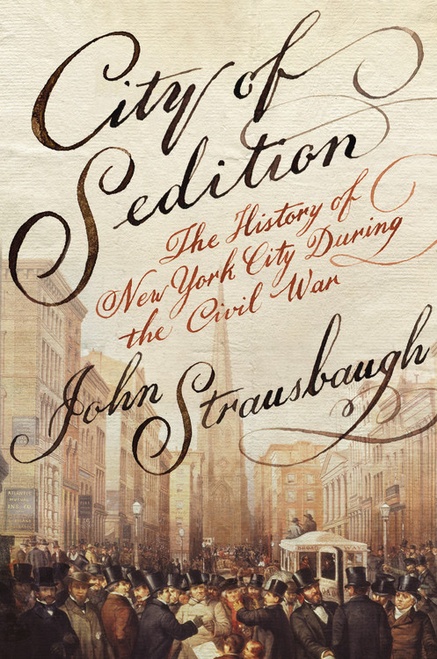
This election year has not been forgiving and in between debates, reading the daily headlines and articles splashed across newspapers, magazines, and various websites, I’ve turned to books for some comfort. I’m currently on a string of historical nonfiction; recently finished DGLM’s own WORST. PRESIDENT. EVER. by Robert Strauss about James Buchanan (and hoping that November does not present a strong contestant for that title) and am slowly working my way through John Strausbaugh’s dense and thoroughly fascinating CITY OF SEDITION, about New York City’s history and role in the Civil War.
Surprisingly, I’ve found that reading about other contested elections, prophecies that the United States was doomed to failure if this president or that president tookoffice, and the intense political atmosphere of other decades has been comforting, in its own strange way. These historical non-fiction titles about our country in its growing pains (literally, during westward expansion) have helped to give me a deeper understanding of our nation’s history, for better or for worse. The critical gaze these authors (and others) level at history—indeed, at helping rewrite some of the history I learned in elementary and middle school—is refreshing; at the same time, I know there is much work still to be done. However, these texts have helped me to see the events taking place today in a different kind of light, which I’ve appreciated.
And, since we’re approaching a long weekend, thanks to another (in)famous figure in our history textbooks, I’m of course on the hunt for some more books to peruse. What historical nonfiction texts have you enjoyed and learned from and why? Why do you think historical nonfiction is important in our world today?
 Tags:
Tags:
I love Gail Collins’ books, “America’s Women” and “When Everything Changed.” Both are comprehensive histories of women in America, told mostly through individual women’s stories, and read like fiction. They gave me a lasting perspective on women’s rights and left me feeling both grateful for all that has been achieved, and determined to be an agent of change for the future.
You’ll want to run, not walk, and read LINCOLN by Gore Vidal. Vidal’s take on politics and the building on America were, and still are the best of show, as it were. He did a whole series of books starting with BURR, but read LINCOLN first and backtrack later. A lot of the current crop of political thought is both ephemeral and humorless; Vidal’s grasp of the big picture in relation to the silliness of the moment is revealing…